Is Cardiac Arrest and Heart Attack the Same? Understanding the Critical Differences That Could Save a Life
When people hear the terms “heart attack” and “cardiac arrest,” they often assume they mean the same thing. News reports, movies, social media posts, and even everyday conversations sometimes use these terms interchangeably. However, understanding the difference can be lifesaving.
A common question many people ask is: “is cardiac arrest and heart attack the same?” The simple answer is no. Although both conditions involve the heart and are medical emergencies, they are very different in how they occur, how they affect the body, and how they are treated.
Knowing the difference between a heart attack and cardiac arrest can help you recognize symptoms faster, respond appropriately, and potentially save someone’s life. In the United States, heart disease remains one of the leading causes of death, making awareness and education more important than ever.
This comprehensive guide explains everything you need to know about heart attacks and cardiac arrest, including causes, symptoms, treatments, prevention strategies, and expert insights.
Is Cardiac Arrest and Heart Attack the Same? The Short Answer
No, cardiac arrest and heart attack are not the same.
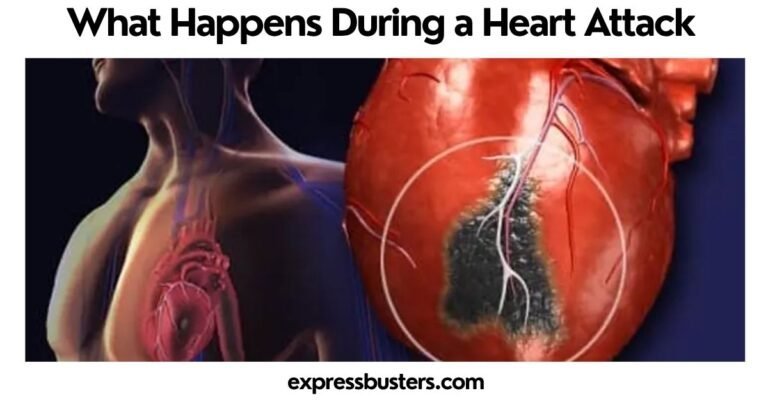
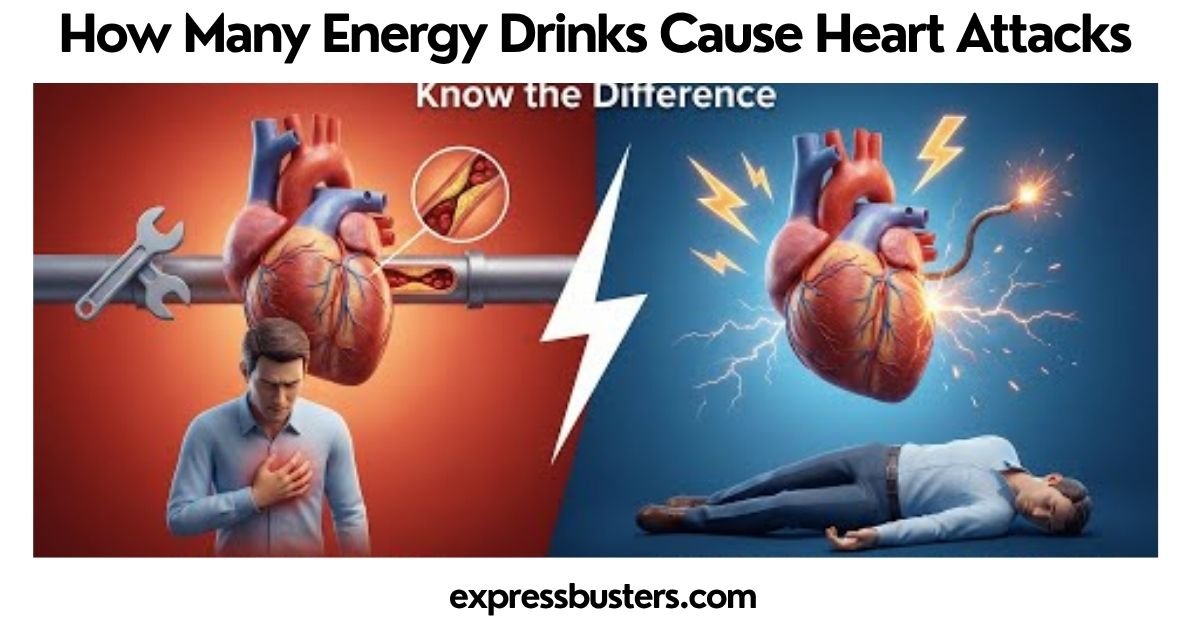
A heart attack happens when blood flow to part of the heart muscle becomes blocked. The heart usually continues beating during a heart attack.
Cardiac arrest occurs when the heart suddenly stops beating effectively due to an electrical malfunction. When this happens, blood stops flowing to the brain, lungs, and other organs.
Although they are different conditions, a heart attack can sometimes trigger cardiac arrest.
This is why many people ask:
- is cardiac arrest and heart attack the same thing
- is a heart attack and cardiac arrest the same
- is cardiac arrest and a heart attack the same thing
- is heart attack and cardiac arrest the same
The answer to all these questions remains the same: they are different medical emergencies, although they can be connected.
What Is a Heart Attack?
A heart attack, medically known as a myocardial infarction, occurs when blood flow to the heart muscle is reduced or completely blocked.
The blockage is usually caused by a buildup of fatty deposits called plaque inside the coronary arteries. If the plaque ruptures, a blood clot can form and block blood flow.
Without enough oxygen-rich blood, the affected part of the heart muscle begins to suffer damage.
How a Heart Attack Happens
The process usually develops over time:
- Fatty deposits accumulate in arteries.
- Plaque forms and narrows blood vessels.
- Plaque ruptures.
- A blood clot forms.
- Blood flow is blocked.
- Heart muscle starts to die.
The quicker treatment is received, the more heart muscle can be saved.
Also Read: Pertadad: A Better Mental Clarity, Focus, and Structured Thinking
Common Symptoms of a Heart Attack
Heart attack symptoms can vary from person to person.
Common signs include:
- Chest pain or pressure
- Tightness in the chest
- Pain spreading to the arms, neck, jaw, back, or shoulders
- Shortness of breath
- Cold sweats
- Nausea or vomiting
- Dizziness
- Fatigue
Many people describe the feeling as an elephant sitting on their chest.
Women may experience different symptoms, including:
- Unusual tiredness
- Jaw pain
- Back pain
- Indigestion-like discomfort
- Nausea
Because symptoms can be subtle, some heart attacks are mistaken for less serious conditions.
What Is Cardiac Arrest?
Cardiac arrest occurs when the heart suddenly stops pumping blood effectively.
Unlike a heart attack, which is a circulation problem, cardiac arrest is primarily an electrical problem.
The heart’s electrical system controls heartbeat rhythm. When this system malfunctions, the heart may stop beating or beat in a chaotic manner that prevents blood circulation.
Within seconds, a person loses consciousness.
Without immediate treatment, death can occur within minutes.
How Cardiac Arrest Happens
The most common cause is an abnormal heart rhythm called ventricular fibrillation.
In this condition:
- Electrical signals become chaotic.
- The heart quivers instead of pumping.
- Blood circulation stops.
- Oxygen supply to the brain is cut off.
- Collapse occurs rapidly.
Immediate intervention is critical.
Common Symptoms of Cardiac Arrest
Cardiac arrest often happens suddenly.
Warning signs may include:
- Sudden collapse
- Loss of consciousness
- No pulse
- No breathing
- Gasping for air
- Unresponsiveness
Unlike heart attack symptoms, cardiac arrest usually provides little or no warning.
Heart Attack vs Cardiac Arrest: Key Differences
Cause
Heart Attack:
A blocked artery prevents blood from reaching part of the heart muscle.
Cardiac Arrest:
An electrical problem causes the heart to stop pumping blood.
Heart Activity
Heart Attack:
The heart usually continues beating.
Cardiac Arrest:
The heart stops beating effectively.
Consciousness
Heart Attack:
The person is usually awake and responsive.
Cardiac Arrest:
The person becomes unconscious almost immediately.
Urgency
Heart Attack:
Immediate medical care is required.
Cardiac Arrest:
Immediate CPR and defibrillation are required within minutes.
Survival Window
Heart Attack:
Treatment should occur as quickly as possible.
Cardiac Arrest:
Every minute without treatment dramatically lowers survival chances.
Can a Heart Attack Cause Cardiac Arrest?
Yes.
One of the most important facts people should understand is that a heart attack can lead to cardiac arrest.
When heart muscle becomes damaged during a heart attack, it can disrupt the heart’s electrical system.
This disruption can trigger dangerous rhythms such as ventricular fibrillation, which may result in cardiac arrest.
However, not every heart attack causes cardiac arrest.
Likewise, not every cardiac arrest is caused by a heart attack.
Also Read: Instablu: The Complete Guide to Enhancing Your Instagram Experience in 2026
What Causes Cardiac Arrest Besides Heart Attacks?
Many conditions can trigger cardiac arrest.
These include:
- Abnormal heart rhythms
- Cardiomyopathy
- Heart failure
- Congenital heart defects
- Severe blood loss
- Drug overdose
- Electrocution
- Drowning
- Severe trauma
- Respiratory failure
In younger individuals, inherited heart conditions may play a significant role.
Who Is at Risk for a Heart Attack?
Several factors increase heart attack risk.
High Blood Pressure
Uncontrolled blood pressure damages arteries over time.
High Cholesterol
Excess cholesterol contributes to plaque buildup.
Smoking
Smoking damages blood vessels and increases clot formation.
Diabetes
High blood sugar damages arteries and increases cardiovascular risk.
Obesity
Excess body weight places additional strain on the heart.
Physical Inactivity
A sedentary lifestyle contributes to poor heart health.
Family History
Genetics can increase susceptibility to heart disease.
Age
Risk increases as people get older.
Who Is at Risk for Cardiac Arrest?
Many risk factors overlap with heart attack risk.
Additional risk factors include:
- Previous cardiac arrest
- Heart rhythm disorders
- Heart failure
- Enlarged heart
- Genetic heart conditions
- Substance abuse
- Severe electrolyte imbalances
Understanding these risks allows for better prevention and early intervention.
How Doctors Diagnose a Heart Attack
Healthcare providers use several tools.
Electrocardiogram (ECG or EKG)
Measures electrical activity of the heart.
Blood Tests
Detect proteins released by damaged heart muscle.
Coronary Angiography
Identifies blocked arteries.
Echocardiogram
Shows heart structure and function.
Cardiac CT and MRI
Provide detailed imaging.
Early diagnosis improves treatment outcomes significantly.
How Doctors Diagnose Cardiac Arrest
Cardiac arrest is typically diagnosed immediately based on:
- Lack of pulse
- No breathing
- Unconsciousness
After resuscitation, doctors may perform:
- ECG
- Blood tests
- Echocardiography
- Cardiac catheterization
- Genetic testing
These tests help identify the underlying cause.
Treatment for a Heart Attack
Treatment aims to restore blood flow quickly.
Medications
Doctors may use:
- Aspirin
- Blood thinners
- Clot-busting drugs
- Beta-blockers
- Statins
Angioplasty and Stenting
A balloon opens the blocked artery, and a stent keeps it open.
Coronary Artery Bypass Surgery
Creates a new route around blocked arteries.
Prompt treatment can dramatically reduce heart damage.
Treatment for Cardiac Arrest
Cardiac arrest treatment must begin immediately.
CPR
Cardiopulmonary resuscitation keeps blood flowing to vital organs.
Defibrillation
An Automated External Defibrillator (AED) delivers an electric shock to restore a normal rhythm.
Advanced Cardiac Life Support
Medical teams may administer medications and advanced interventions.
Implantable Cardioverter Defibrillator (ICD)
Some survivors receive an ICD to prevent future episodes.
Why Timing Matters So Much
Every minute counts during both emergencies.
For heart attacks:
The sooner blood flow is restored, the more heart muscle survives.
For cardiac arrest:
Survival rates decrease by approximately 7% to 10% for every minute without CPR or defibrillation.
This difference highlights why understanding “is cardiac arrest and heart attack the same” is so important.
Recognizing the correct emergency can determine the best response.
What Should You Do During a Heart Attack?
If someone shows signs of a heart attack:
- Call 911 immediately.
- Keep the person calm.
- Have them sit and rest.
- Loosen tight clothing.
- If advised by emergency services and medically appropriate, aspirin may be used.
- Monitor symptoms until help arrives.
Never attempt to drive yourself to the hospital if symptoms are severe.
What Should You Do During Cardiac Arrest?
If someone suddenly collapses and becomes unresponsive:
- Call 911 immediately.
- Begin CPR.
- Use an AED if available.
- Continue CPR until emergency responders arrive.
Quick action significantly improves survival chances.
Why People Confuse Heart Attacks and Cardiac Arrest
Several factors contribute to confusion.
Media Terminology
News reports often oversimplify medical events.
Both Involve the Heart
People assume all heart emergencies are identical.
Heart Attacks Can Lead to Cardiac Arrest
The connection between the two conditions creates misunderstanding.
Similar Outcomes
Both can be fatal if untreated.
Education helps eliminate these misconceptions.
Can Young People Experience Heart Attacks or Cardiac Arrest?
Yes.
Although older adults face higher risk, younger people are not immune.
Heart attacks in younger adults may result from:
- Smoking
- Obesity
- High cholesterol
- Drug use
- Genetic factors
Cardiac arrest in young individuals may stem from:
- Inherited rhythm disorders
- Structural heart abnormalities
- Undiagnosed heart disease
Athletes can also experience sudden cardiac arrest, though it remains relatively rare.
How to Prevent Heart Attacks and Cardiac Arrest
Prevention begins with lifestyle choices.
Eat a Heart-Healthy Diet
Focus on:
- Fruits
- Vegetables
- Whole grains
- Lean proteins
- Healthy fats
Limit:
- Added sugars
- Saturated fats
- Processed foods
Exercise Regularly
Aim for at least 150 minutes of moderate exercise weekly.
Maintain a Healthy Weight
Weight management reduces cardiovascular strain.
Stop Smoking
Smoking cessation is one of the most effective prevention strategies.
Control Blood Pressure
Regular monitoring helps prevent complications.
Manage Cholesterol Levels
Healthy lifestyle habits and medications may be necessary.
Control Diabetes
Proper blood sugar management protects blood vessels.
Reduce Stress
Chronic stress negatively impacts heart health.
Get Regular Medical Checkups
Preventive care identifies risks early.
Expert Insight: Why Understanding the Difference Matters
One of the biggest mistakes people make is assuming every heart-related emergency is a heart attack.
In reality, the response required for cardiac arrest is different and far more urgent.
A person experiencing a heart attack may still be conscious and talking.
A person in cardiac arrest is usually unconscious and requires immediate CPR.
This distinction can mean the difference between life and death.
Understanding these differences empowers families, workplaces, schools, and communities to respond more effectively during emergencies.
Also Read: Can an EKG Detect a Heart Attack? Complete Guide to What an EKG Can and Cannot Reveal
Common Myths About Heart Attacks and Cardiac Arrest
Myth 1: They Are the Same Thing
False.
A heart attack is a circulation problem, while cardiac arrest is an electrical problem.
Myth 2: Heart Attacks Always Cause Chest Pain
False.
Symptoms can vary widely.
Myth 3: Cardiac Arrest Only Happens to Older Adults
False.
It can occur at any age.
Myth 4: Healthy People Cannot Have Cardiac Arrest
False.
Some underlying heart conditions may go undetected.
Myth 5: Recovery Means the Problem Is Gone
False.
Ongoing medical care is often necessary.
The Future of Heart Emergency Care
Advances in technology continue improving outcomes.
Emerging developments include:
- Wearable heart monitoring devices
- Artificial intelligence-assisted diagnostics
- Improved emergency response systems
- Better CPR training programs
- Enhanced defibrillator accessibility
These innovations may reduce deaths from both heart attacks and cardiac arrest in the future.
Conclusion
If you have ever wondered, “is cardiac arrest and heart attack the same,” the answer is clearly no.
A heart attack occurs when blood flow to part of the heart is blocked, causing damage to heart muscle. Cardiac arrest occurs when the heart suddenly stops pumping blood due to an electrical malfunction.
Although they are different conditions, a heart attack can sometimes trigger cardiac arrest. Both require immediate medical attention, but the emergency response differs significantly.
Understanding the distinction between these two serious medical emergencies can help people recognize symptoms faster, respond appropriately, and potentially save lives. By maintaining a healthy lifestyle, managing risk factors, and learning CPR, individuals can improve heart health and be better prepared for emergencies.
Frequently Asked Questions
Can someone be awake during cardiac arrest?
Most people lose consciousness within seconds after cardiac arrest begins because the brain no longer receives enough blood flow.
Can cardiac arrest happen during sleep?
Yes. Some people experience cardiac arrest while sleeping, particularly if they have underlying heart disease or rhythm disorders.
Do all heart attacks cause permanent heart damage?
Not always. Fast treatment can restore blood flow quickly enough to minimize or even prevent significant permanent damage.
Can stress alone cause cardiac arrest?
Extreme emotional stress can contribute to heart rhythm disturbances in susceptible individuals, but cardiac arrest usually involves additional underlying factors.
Should every workplace have an AED?
Many experts recommend AED availability in workplaces, schools, gyms, airports, and public spaces because rapid defibrillation greatly improves survival rates.
Can you fully recover after cardiac arrest?
Many people recover successfully, especially when CPR and defibrillation are provided quickly. Recovery depends on how long the brain and organs were without adequate blood flow.
How often should adults have heart health screenings?
The frequency depends on age, family history, and risk factors. Most adults benefit from regular blood pressure, cholesterol, and overall cardiovascular assessments.
Can dehydration increase the risk of cardiac arrest?
Severe dehydration can contribute to electrolyte imbalances that may increase the risk of dangerous heart rhythms in some individuals.
Is chest pain always the first sign of a heart attack?
No. Some people experience fatigue, nausea, shortness of breath, or discomfort in other parts of the body before chest pain develops.
Can learning CPR really save a life?
Absolutely. Immediate CPR can double or even triple survival chances for some cardiac arrest victims, making it one of the most valuable emergency skills anyone can learn.