How Do You Prevent a Heart Attack? A Complete Guide to Protecting Your Heart and Living a Healthier Life
Heart disease remains one of the leading causes of death in the United States. Every year, hundreds of thousands of Americans experience heart attacks, many of which could have been avoided through healthy lifestyle choices, early detection of risk factors, and proper medical care. This reality leads many people to ask an important question: how do you prevent a heart attack?
The good news is that most heart attacks are preventable. Modern research shows that adopting healthy habits, managing medical conditions, and understanding your personal risk factors can dramatically reduce the likelihood of experiencing a heart attack.
In this comprehensive guide, you will learn how do you prevent a heart attack, what causes heart attacks, who is at risk, and the practical steps you can take to protect your heart for years to come.
Understanding What a Heart Attack Is
Before discussing prevention, it is important to understand what a heart attack actually is.
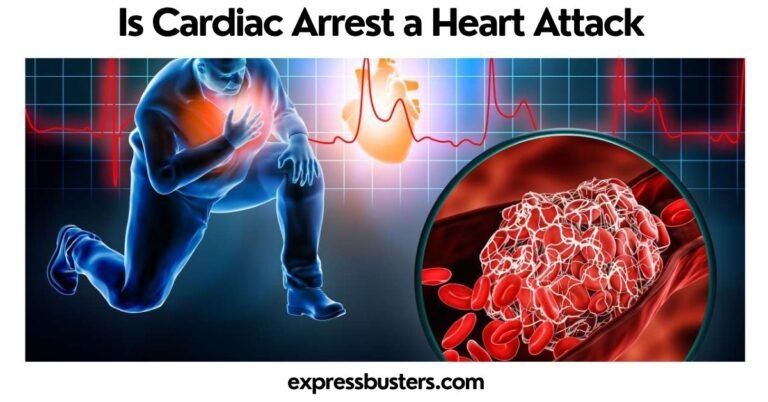
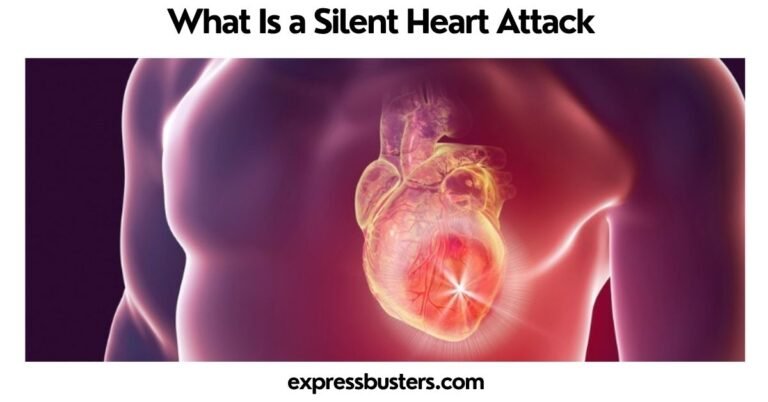
A heart attack, also called a myocardial infarction, occurs when blood flow to a portion of the heart muscle becomes blocked. This blockage is usually caused by a buildup of plaque inside the coronary arteries. Plaque consists of cholesterol, fat, calcium, and other substances.
When a plaque ruptures, a blood clot can form and block the artery. Without adequate blood flow, part of the heart muscle begins to die.
Heart attacks can range from mild to severe. Some cause significant damage, while others may be fatal if treatment is delayed.
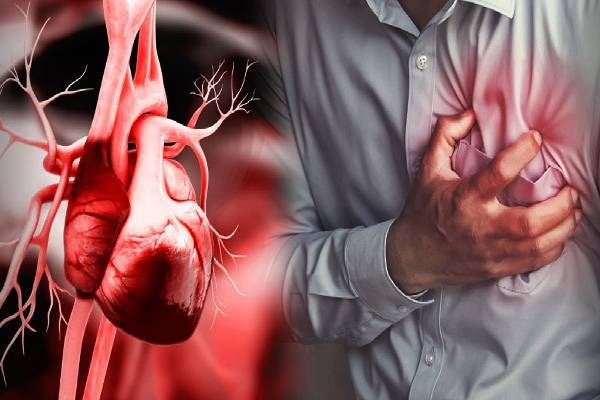
Understanding this process helps answer the question, “can a heart attack be prevented?” In many cases, preventing plaque buildup and maintaining healthy arteries significantly lowers the risk.
Why Heart Attack Prevention Matters
Many people assume heart attacks happen suddenly without warning. In reality, heart disease often develops over decades.
The choices you make today affect your heart health years from now. Prevention is important because:
- It reduces the risk of heart attacks.
- It lowers healthcare costs.
- It improves quality of life.
- It increases life expectancy.
- It helps prevent strokes and other cardiovascular diseases.
- It supports overall physical and mental well-being.
The earlier prevention begins, the better the outcome.
Can a Heart Attack Be Prevented?
One of the most common questions is: can a heart attack be prevented?
According to cardiovascular experts, a large percentage of heart attacks can be prevented through lifestyle modifications and medical management.
Also Read: How Can I Prevent Heart Attack? A Complete Guide to Protecting Your Heart and Living a Longer Life
While genetics and age cannot be changed, many major risk factors are controllable, including:
- Smoking
- High blood pressure
- High cholesterol
- Diabetes
- Obesity
- Physical inactivity
- Poor diet
- Excessive alcohol consumption
- Chronic stress
Addressing these factors can substantially reduce risk.
How Do You Prevent a Heart Attack From Happening?
If you are wondering how do you prevent a heart attack from happening, the answer involves a combination of healthy habits and regular medical care.
There is no single magic solution. Instead, prevention requires a long-term commitment to heart health.
The most effective prevention strategies include:
- Eating a heart-healthy diet
- Exercising regularly
- Maintaining a healthy weight
- Avoiding tobacco
- Managing blood pressure
- Controlling cholesterol levels
- Managing diabetes
- Reducing stress
- Getting quality sleep
- Following medical advice
Together, these actions create powerful protection against cardiovascular disease.
Eat a Heart-Healthy Diet
Nutrition plays a major role in heart attack prevention.
The foods you consume directly affect cholesterol levels, blood pressure, inflammation, and weight.
A heart-healthy diet should focus on:
Fruits and Vegetables
Aim for multiple servings every day.
Benefits include:
- High fiber content
- Essential vitamins
- Antioxidants
- Reduced inflammation
Examples include:
- Apples
- Berries
- Oranges
- Broccoli
- Spinach
- Carrots
Whole Grains
Choose:
- Oatmeal
- Brown rice
- Whole wheat bread
- Quinoa
Whole grains help improve cholesterol and support heart health.
Healthy Fats
Not all fats are harmful.
Healthy fats include:
- Avocados
- Olive oil
- Nuts
- Seeds
- Fatty fish
These foods contain beneficial fatty acids that support cardiovascular function.
Lean Protein
Choose:
- Fish
- Skinless poultry
- Beans
- Lentils
- Tofu
Limit processed meats whenever possible.
Reduce Added Sugar
Excess sugar contributes to:
- Obesity
- Diabetes
- High triglycerides
Read labels carefully and limit sugary beverages.
Limit Sodium
Too much sodium raises blood pressure.
Choose fresh foods and reduce consumption of highly processed products.
Exercise Regularly for Heart Protection
Physical activity is one of the most effective ways to prevent cardiovascular disease.
People often ask how do you prevent having a heart attack naturally. Exercise is one of the best answers.
Regular exercise helps:
- Lower blood pressure
- Improve circulation
- Reduce cholesterol
- Control weight
- Improve insulin sensitivity
- Strengthen the heart muscle
Experts recommend at least:
- 150 minutes of moderate exercise weekly
or
- 75 minutes of vigorous exercise weekly
Examples include:
- Walking
- Jogging
- Swimming
- Cycling
- Dancing
- Hiking
Even small increases in activity provide meaningful benefits.
Also Read: How to Prevent Heart Attack: The Complete Guide to Protecting Your Heart and Living a Longer Life
Maintain a Healthy Weight
Excess body weight increases stress on the heart.
Obesity is linked to:
- High blood pressure
- Diabetes
- High cholesterol
- Sleep apnea
All of these conditions increase heart attack risk.
Losing even 5% to 10% of body weight can significantly improve cardiovascular health.
Instead of focusing solely on appearance, focus on maintaining a healthy body composition and sustainable habits.
Quit Smoking Immediately
Smoking remains one of the strongest risk factors for heart attacks.
Tobacco damages blood vessels, raises blood pressure, and increases clot formation.
The benefits of quitting begin almost immediately.
Within a short period:
- Heart rate improves
- Blood pressure decreases
- Circulation improves
Long-term benefits include dramatically reduced cardiovascular risk.
If you smoke and are asking, “can you prevent a heart attack?” quitting smoking is one of the most powerful actions you can take.
Control High Blood Pressure
High blood pressure is often called the silent killer because it may not produce noticeable symptoms.
Over time, elevated blood pressure damages arteries and increases heart attack risk.
Normal blood pressure generally falls below 120/80 mmHg.
Ways to manage blood pressure include:
- Healthy eating
- Exercise
- Weight management
- Limiting sodium
- Reducing alcohol
- Taking prescribed medications
Regular monitoring is essential.
Manage Cholesterol Levels
Cholesterol management is a key component of heart attack prevention.
High LDL cholesterol contributes to plaque formation inside arteries.
Prevention strategies include:
- Eating more fiber
- Reducing saturated fats
- Exercising regularly
- Maintaining a healthy weight
- Taking prescribed medications when necessary
Regular cholesterol screenings help identify problems before serious complications develop.
Prevent and Control Diabetes
Diabetes significantly increases heart attack risk.
High blood sugar damages blood vessels and contributes to inflammation.
To reduce risk:
- Follow a balanced diet
- Exercise consistently
- Monitor blood sugar levels
- Take medications as prescribed
- Attend regular medical appointments
People with diabetes should work closely with healthcare professionals to maintain optimal control.
Reduce Chronic Stress
Stress affects the body in many ways.
Long-term stress may contribute to:
- High blood pressure
- Poor sleep
- Weight gain
- Unhealthy eating habits
Managing stress is an important but often overlooked aspect of prevention.
Healthy stress-management techniques include:
- Meditation
- Deep breathing
- Yoga
- Prayer
- Journaling
- Spending time outdoors
- Social support
Building emotional resilience supports both mental and cardiovascular health.
Get Better Sleep
Sleep is often underestimated when discussing heart health.
Research increasingly shows that poor sleep contributes to:
- High blood pressure
- Obesity
- Diabetes
- Heart disease
Adults should aim for approximately seven to nine hours of quality sleep each night.
Improve sleep by:
- Maintaining a consistent schedule
- Limiting screen time before bed
- Avoiding caffeine late in the day
- Creating a comfortable sleeping environment
Quality sleep helps the body repair and recover.
Limit Alcohol Consumption
Excessive alcohol use can increase heart attack risk.
Heavy drinking may contribute to:
- High blood pressure
- Weight gain
- Irregular heart rhythms
If you drink alcohol, moderation is important.
Many people find that reducing alcohol intake improves overall health and energy levels.
Know Your Family History
Genetics play a role in cardiovascular health.
If close relatives experienced heart disease at a young age, your risk may be higher.
While you cannot change genetics, awareness allows earlier intervention.
Discuss family history with your healthcare provider and consider more frequent screenings if recommended.
Schedule Regular Health Checkups
Preventive healthcare helps identify risk factors before symptoms appear.
Regular checkups may include:
- Blood pressure measurement
- Cholesterol testing
- Blood sugar testing
- Weight assessment
- Cardiovascular risk evaluation
Many heart attacks can be prevented through early detection and treatment.
Recognize Heart Attack Warning Signs
Prevention also means recognizing symptoms quickly.
Common warning signs include:
- Chest pain or pressure
- Shortness of breath
- Pain in the arm, neck, jaw, or back
- Nausea
- Sweating
- Dizziness
Women may experience less typical symptoms, including fatigue and nausea.
Prompt medical attention saves lives.
Can I Prevent a Heart Attack If I Have Risk Factors?
A common concern is: can I prevent a heart attack if I already have high blood pressure, diabetes, or high cholesterol?
The answer is often yes.
Even if risk factors exist, meaningful improvements can dramatically lower risk.
Many individuals reduce their likelihood of heart attack through:
- Lifestyle changes
- Medication adherence
- Regular monitoring
- Ongoing medical guidance
Prevention remains effective even after years of unhealthy habits.
Can I Prevent Heart Attack Naturally?
People frequently ask, can I prevent heart attack naturally?
Natural prevention methods include:
- Healthy eating
- Exercise
- Stress reduction
- Better sleep
- Weight management
- Smoking cessation
However, natural methods should complement—not replace—medical treatment when necessary.
If your doctor prescribes medication, it should remain part of your prevention strategy unless advised otherwise.
The Most Effective Daily Habits for Heart Attack Prevention
Small daily actions create significant long-term results.
Effective habits include:
- Walking every day
- Drinking more water
- Eating vegetables at each meal
- Monitoring blood pressure
- Limiting processed foods
- Getting enough sleep
- Managing stress proactively
- Taking medications consistently
- Avoiding tobacco
- Staying socially connected
These habits may seem simple, but their cumulative effect is powerful.
Common Myths About Heart Attack Prevention
Myth 1: Heart Attacks Only Affect Older People
Heart attacks can occur at younger ages, especially when multiple risk factors are present.
Myth 2: Thin People Cannot Have Heart Disease
Body weight alone does not determine heart health.
Myth 3: Exercise Cancels Out a Poor Diet
Both exercise and nutrition are important.
Myth 4: Heart Disease Only Affects Men
Heart disease is also a leading cause of death among women.
Myth 5: If You Feel Fine, Your Heart Is Healthy
Many cardiovascular conditions develop without obvious symptoms.
A Modern Perspective on Heart Attack Prevention
One important insight often overlooked is that prevention is not a single decision—it is a lifelong process.
Many people search for quick fixes, supplements, or miracle diets. However, the strongest evidence consistently points toward sustainable habits.
The most successful individuals do not rely on perfection. Instead, they focus on consistency.
A healthy meal today, a daily walk, a better night’s sleep, and regular health screenings may seem small individually. Over years and decades, these choices dramatically lower heart attack risk.
This long-term approach represents the true answer to the question: how do you prevent a heart attack?
Frequently Asked Questions
Can stress alone cause a heart attack?
Extreme stress may contribute to heart-related events, especially in people with underlying cardiovascular disease. Managing stress is an important part of prevention.
Does drinking more water help prevent heart attacks?
Proper hydration supports overall cardiovascular health, but water alone does not prevent heart attacks. It should be part of a healthy lifestyle.
Can heart attacks happen during sleep?
Yes. Some heart attacks occur during sleep or in the early morning hours.
Are annual physical exams enough for heart attack prevention?
Annual exams are important, but daily lifestyle choices have the greatest impact on long-term heart health.
Can dehydration increase heart attack risk?
Severe dehydration may place additional strain on the cardiovascular system, particularly in vulnerable individuals.
Does loneliness affect heart health?
Research suggests social isolation may increase cardiovascular risk. Maintaining strong relationships supports both mental and heart health.
Can air pollution increase heart attack risk?
Long-term exposure to air pollution has been linked to increased cardiovascular disease risk.
Should healthy young adults worry about heart attacks?
Yes. Building healthy habits early provides protection that lasts for decades.
Do wearable fitness devices help prevent heart attacks?
Fitness trackers can encourage activity and help monitor health metrics, making them useful tools for prevention.
Can improving oral health help heart health?
Emerging research suggests a connection between gum health and cardiovascular health, making oral hygiene an important part of overall wellness.
Conclusion
If you have ever asked yourself, “how do you prevent a heart attack,” the answer is both simple and powerful. Heart attack prevention begins with everyday choices. Eating nutritious foods, staying physically active, maintaining a healthy weight, controlling blood pressure and cholesterol, avoiding tobacco, managing stress, getting quality sleep, and working closely with healthcare professionals all contribute to a healthier heart.
For those wondering how do you prevent a heart attack from happening, how do you prevent having a heart attack, how to prevent heart attacks, can a heart attack be prevented, can you prevent a heart attack, can I prevent a heart attack, or can I prevent heart attack, the evidence is clear: while no prevention strategy offers a 100% guarantee, most heart attacks can be significantly reduced or avoided through proactive lifestyle changes and proper medical care.
The best time to start protecting your heart is today. Every healthy decision you make moves you one step closer to a stronger heart, a longer life, and a healthier future.