Do Statins Prevent Heart Attacks? The Complete Evidence-Based Guide
Heart disease remains the leading cause of death in the United States. Every year, hundreds of thousands of Americans experience a heart attack, and many wonder whether medications can lower their risk. One of the most common questions patients ask is: do statins prevent heart attacks?
The short answer is yes. Statins have been extensively studied for decades and are among the most effective medications available for reducing the risk of heart attacks, strokes, and other cardiovascular events. However, the complete answer is more complex. The benefits of statins vary depending on age, overall health, cholesterol levels, existing heart disease, and other risk factors.
Many people have heard conflicting information about cholesterol medications. Some believe statins are life-saving drugs, while others worry about side effects or question whether they are truly necessary. Understanding the science behind statins can help individuals make informed decisions about their heart health.
This comprehensive guide explores the latest evidence, explains how statins work, discusses who benefits most, and answers important questions such as do statins prevent heart attack, do statins prevent heart attack and stroke, and do statins prevent heart attacks in women.
What Are Statins?
Statins are prescription medications that lower cholesterol levels in the blood. They work by blocking an enzyme in the liver responsible for producing cholesterol.
Common statins include:
- Atorvastatin
- Rosuvastatin
- Simvastatin
- Pravastatin
- Lovastatin
- Fluvastatin
- Pitavastatin
These medications are primarily used to reduce low-density lipoprotein (LDL) cholesterol, often called “bad cholesterol.”
When LDL cholesterol becomes too high, it can accumulate inside artery walls and form plaque. Over time, plaque narrows arteries and increases the risk of heart attacks and strokes.
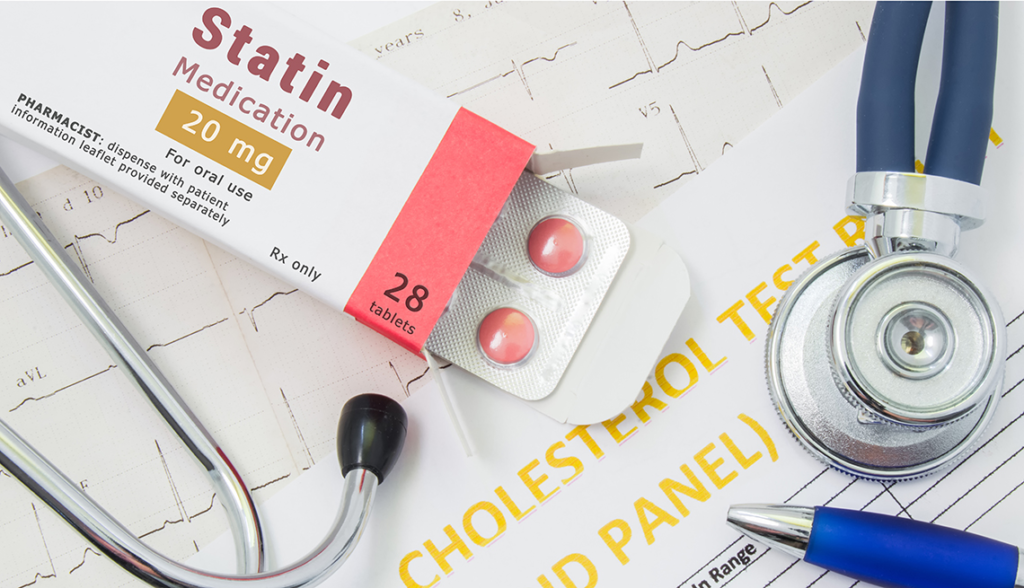
By lowering LDL cholesterol, statins help slow, stop, and sometimes partially reverse the buildup of plaque.
Understanding How Heart Attacks Happen
To understand whether statins prevent heart attacks, it is important to understand what causes a heart attack.
A heart attack occurs when blood flow to part of the heart muscle becomes blocked.
The process usually begins years before symptoms appear.
Step 1: Cholesterol Buildup
LDL cholesterol enters the walls of arteries and contributes to plaque formation.
Step 2: Plaque Growth
Plaque gradually grows and narrows the artery.
Step 3: Plaque Rupture
A plaque can suddenly rupture or break open.
Step 4: Blood Clot Formation
The body forms a blood clot around the rupture.
Step 5: Artery Blockage
The clot can completely block blood flow to the heart.
Step 6: Heart Attack
Without oxygen-rich blood, heart muscle tissue begins to die.
Statins target several steps in this process, making them a powerful tool for prevention.
Do Statins Prevent Heart Attacks?
The answer is yes.
Large clinical trials involving millions of patients have consistently shown that statins reduce the risk of heart attacks.
Researchers have studied statins for more than three decades. The evidence repeatedly demonstrates that lowering LDL cholesterol lowers cardiovascular risk.
Statins reduce heart attack risk through several mechanisms:
- Lower LDL cholesterol
- Stabilize arterial plaque
- Reduce inflammation
- Improve blood vessel function
- Lower the likelihood of clot formation
The result is a significant reduction in heart attacks among high-risk individuals.
The degree of protection depends on the patient’s baseline risk.
People with existing heart disease generally see the greatest benefit, but many individuals without heart disease can also benefit.
Why Lowering LDL Cholesterol Matters
For years, scientists debated the exact role of cholesterol in heart disease.
Today, the evidence is overwhelming.
Higher LDL cholesterol levels are strongly linked to cardiovascular disease.
Research shows that lowering LDL cholesterol consistently reduces the likelihood of:
- Heart attacks
- Strokes
- Coronary artery disease
- Cardiovascular death
Think of LDL cholesterol as fuel for plaque growth. The less fuel available, the slower plaque develops.
Statins effectively reduce this fuel source.
Many cardiologists summarize the relationship with a simple phrase:
Lower LDL generally means lower cardiovascular risk.
How Much Can Statins Reduce Heart Attack Risk?
The reduction varies depending on the individual.
In general, statins can reduce the risk of major cardiovascular events by approximately 20% to 35% or more.
For patients with existing heart disease, the benefit can be even greater.
Several factors influence results:
- Age
- Cholesterol levels
- Blood pressure
- Diabetes status
- Smoking history
- Family history
- Existing heart disease
Patients at high risk often gain the most substantial protection.
This is why healthcare providers frequently recommend statins after a heart attack.
Secondary Prevention: Preventing Another Heart Attack
Secondary prevention refers to preventing future cardiovascular events in someone who has already experienced one.
This is where statins provide some of their strongest benefits.
If a person has already had:
- A heart attack
- Coronary artery disease
- Coronary stenting
- Bypass surgery
Statins become a cornerstone of treatment.
Research consistently shows that these medications lower the likelihood of:
- Recurrent heart attacks
- Additional artery blockages
- Stroke
- Cardiovascular death
For many patients, statins significantly improve long-term survival.
Primary Prevention: Can Statins Prevent a First Heart Attack?
A common question is whether statins help people who have never had a heart attack.
The answer is yes, but patient selection matters.
Doctors evaluate overall cardiovascular risk before prescribing statins for primary prevention.
Factors considered include:
- LDL cholesterol levels
- Age
- Blood pressure
- Smoking status
- Diabetes
- Family history
Individuals with elevated risk often benefit from treatment even if they have never experienced a cardiovascular event.
The goal is to stop plaque from causing problems before symptoms develop.
Do Statins Prevent Heart Attack and Stroke?
One of the most searched questions is: do statins prevent heart attack and stroke?
The answer is yes.
Statins reduce the risk of both conditions because they address the same underlying disease process.
Heart attacks and many strokes result from atherosclerosis, which is the buildup of plaque inside arteries.
By reducing plaque progression and stabilizing existing plaque, statins lower the likelihood of:
- Coronary artery blockages
- Brain artery blockages
- Dangerous clot formation
This dual benefit makes statins one of the most valuable cardiovascular medications available today.
Many patients prescribed statins are taking them not only to prevent a heart attack but also to lower stroke risk.
Do Statins Prevent Heart Attacks in Women?
Another important question is: do statins prevent heart attacks in women?
Yes.
For many years, cardiovascular disease was often viewed primarily as a men’s health issue. Modern research has clearly demonstrated that heart disease is also a major threat to women.
Women benefit from statins in much the same way as men.
Clinical studies show reductions in:
- Heart attacks
- Stroke
- Cardiovascular complications
- Cardiovascular mortality
However, women have historically been underrepresented in some cardiovascular studies.
ALso Read: How Can I Prevent a Stroke or Heart Attack? The Complete Guide to Protecting Your Heart and Brain
As more data became available, researchers confirmed that statins provide meaningful protection for women who meet treatment criteria.
Women with risk factors such as:
- Diabetes
- High LDL cholesterol
- High blood pressure
- Smoking history
- Existing cardiovascular disease
often gain significant benefits from statin therapy.
The Additional Benefits of Statins Beyond Cholesterol Reduction
Many people think statins only lower cholesterol.
In reality, their benefits extend beyond LDL reduction.
Plaque Stabilization
One of the most important effects of statins is plaque stabilization.
A stable plaque is less likely to rupture.
Because plaque rupture often triggers heart attacks, stabilizing plaque can dramatically lower risk.
Reduced Inflammation
Inflammation plays a major role in cardiovascular disease.
Statins help reduce inflammatory activity within blood vessels.
Less inflammation may contribute to lower cardiovascular risk.
Improved Blood Vessel Function
Healthy arteries expand and contract efficiently.
Statins improve endothelial function, helping blood vessels work more effectively.
Better Circulation
By supporting healthier arteries, statins help maintain adequate blood flow throughout the body.
Who Should Consider Taking Statins?
Statins are not necessary for everyone.
Doctors typically recommend them for individuals who fall into one or more high-risk categories.
These include:
People With Existing Heart Disease
This group generally receives the strongest recommendation.
People With Very High LDL Cholesterol
Extremely elevated LDL levels often require medication.
People With Diabetes
Diabetes significantly increases cardiovascular risk.
People With Multiple Risk Factors
Examples include:
- Smoking
- High blood pressure
- Obesity
- Family history of heart disease
- Elevated cholesterol
Older Adults With Elevated Cardiovascular Risk
Age itself is an important risk factor.
Risk assessments help determine whether statins are appropriate.
What Happens If You Stop Taking Statins?
Some patients stop statins once cholesterol improves.
This can be a mistake.
The medication controls cholesterol while it is being taken.
Stopping treatment often causes LDL cholesterol levels to rise again.
Over time, cardiovascular risk may increase.
Patients should never discontinue statins without consulting their healthcare provider.
Common Side Effects of Statins
Most people tolerate statins well.
However, side effects can occur.
Possible side effects include:
- Muscle aches
- Mild digestive symptoms
- Headache
- Fatigue
- Elevated liver enzymes
Serious side effects are uncommon.
In many cases, adjusting the dosage or switching to a different statin resolves issues.
Healthcare providers carefully weigh benefits against potential risks when recommending treatment.
Are Statins Safe for Long-Term Use?
One reason statins are widely prescribed is their strong long-term safety record.
Millions of patients have used statins safely for decades.
Extensive research demonstrates that the benefits usually outweigh the risks for appropriate candidates.
Long-term monitoring helps ensure continued safety.
Regular follow-up appointments often include:
- Cholesterol testing
- Liver function evaluation
- Medication review
These measures help optimize treatment outcomes.
Lifestyle Changes Still Matter
Even though statins are highly effective, they are not a substitute for healthy living.
The best results occur when medication is combined with lifestyle improvements.
Important strategies include:
- Eating a heart-healthy diet
- Exercising regularly
- Maintaining a healthy weight
- Avoiding tobacco
- Managing stress
- Controlling blood pressure
- Managing diabetes
Think of statins as one tool in a complete cardiovascular protection plan.
FAQs About Do Statins Prevent Heart Attacks
Can statins work if my cholesterol is already normal?
Yes. Some individuals with normal cholesterol levels but high cardiovascular risk may still benefit from statins because of their plaque-stabilizing and anti-inflammatory effects.
How long does it take for statins to start protecting the heart?
Cholesterol levels often begin improving within weeks, but cardiovascular protection develops over time. Long-term consistent use provides the greatest benefit.
Do younger adults ever need statins?
Yes. People with genetic cholesterol disorders or multiple cardiovascular risk factors may benefit from statin therapy even at a younger age.
Can statins reduce emergency hospital visits related to heart disease?
Many studies suggest statins lower the risk of major cardiovascular events that commonly result in emergency hospitalization.
Are statins more effective when combined with exercise?
Yes. Exercise and statins work through different mechanisms. Together, they provide stronger cardiovascular protection than either approach alone.
Do statins help people with a family history of heart attacks?
Often yes. Family history is a major risk factor, and statins may be recommended depending on overall cardiovascular risk.
Can statins help after coronary artery stent placement?
Yes. Statins are commonly prescribed after stent procedures because they help reduce future cardiovascular events.
Is there an age when statins should automatically be stopped?
No. Decisions should be individualized based on health status, risk factors, life expectancy, and patient preferences.
Conclusion
So, do statins prevent heart attacks? The scientific evidence strongly supports the answer: yes. Statins are among the most effective medications available for reducing the risk of heart attacks and other cardiovascular events. They lower LDL cholesterol, stabilize dangerous plaque, reduce inflammation, and improve overall artery health.
Research consistently confirms that statins help prevent both first and recurrent heart attacks. They also reduce stroke risk, answering another common question: do statins prevent heart attack and stroke? The evidence shows they do. Likewise, studies demonstrate that do statins prevent heart attacks in women can be answered with confidence—women who meet treatment criteria benefit significantly from statin therapy.
However, statins are not a magic solution. The greatest protection comes from combining medication with healthy lifestyle habits, including proper nutrition, regular exercise, weight management, blood pressure control, and smoking cessation.
For people at elevated cardiovascular risk, statins remain one of the most important medical advances in heart disease prevention. When used appropriately under medical supervision, they can help individuals live longer, healthier lives while dramatically reducing the likelihood of life-threatening cardiovascular events.