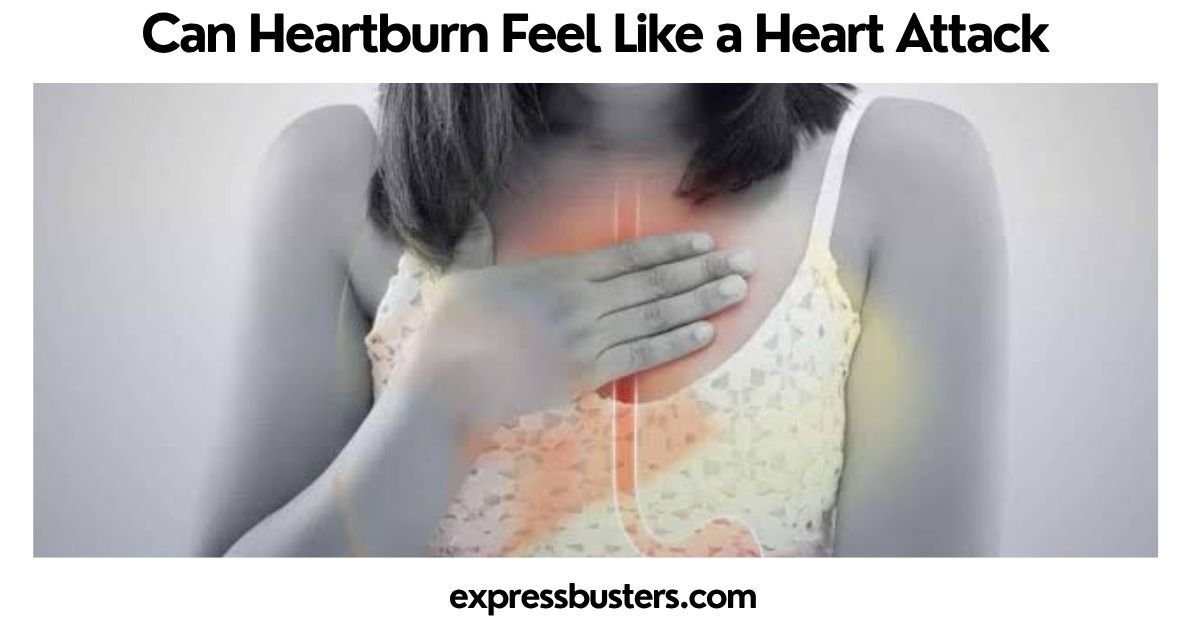
Can Heartburn Feel Like a Heart Attack? A Complete Guide to Understanding the Difference
Many people experience chest pain and immediately worry that they are having a heart attack. This fear is understandable because heart attacks are serious medical emergencies. However, not all chest pain is caused by a heart problem. In many cases, the discomfort may be caused by heartburn.
So, can heartburn feel like a heart attack?
The simple answer is yes. Heartburn and heart attacks can sometimes feel surprisingly similar. Both conditions can cause chest discomfort, pressure, burning sensations, and pain that may be difficult to tell apart.
Because the symptoms can overlap, many people struggle to know whether they are dealing with digestive discomfort or a potentially life-threatening heart condition.
In this comprehensive guide, you will learn how heartburn and heart attacks compare, why they can feel similar, the warning signs of each condition, and when you should seek emergency medical care.
Why Heartburn and Heart Attacks Feel Similar
One reason people confuse heartburn with heart attacks is because both can cause pain in the chest area.
The esophagus and the heart are located close to each other inside the chest. The nerves serving these areas can send similar signals to the brain. As a result, the brain may have difficulty identifying the exact source of the pain.
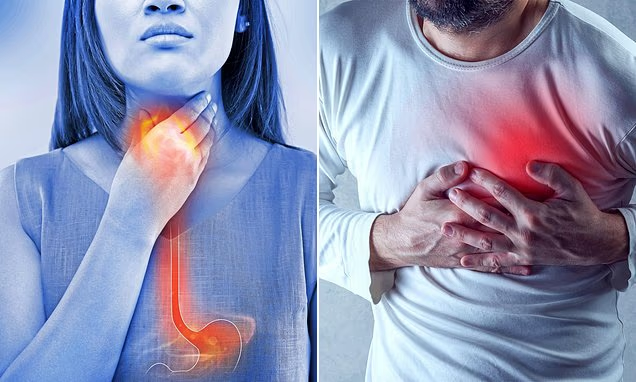
This is why some people experiencing severe heartburn believe they are having a heart attack, while others experiencing a heart attack mistakenly assume it is just indigestion.
Understanding the differences can help you make informed decisions about your health, but it is important to remember that any unexplained chest pain should be taken seriously.
What Is Heartburn?
Heartburn is a common symptom of acid reflux.
It happens when stomach acid flows backward into the esophagus, the tube that carries food from the mouth to the stomach.
The lining of the esophagus is sensitive to acid. When acid comes into contact with this tissue, it can create a burning sensation that often starts behind the breastbone.
Despite its name, heartburn has nothing to do with the heart.
Also Read: Pertadad: A Better Mental Clarity, Focus, and Structured Thinking
Heartburn can occur occasionally after eating certain foods or may become a frequent problem in people with gastroesophageal reflux disease (GERD).
Common Symptoms of Heartburn
Heartburn symptoms may include:
- A burning feeling in the chest
- Pain behind the breastbone
- A sour or bitter taste in the mouth
- Acid coming back into the throat
- Difficulty swallowing
- Increased discomfort after eating
- Symptoms that worsen when lying down
- Relief after taking antacids
Some people experience mild symptoms, while others may have intense pain that feels alarming.
This leads many people to ask, can a heartburn feel like a heart attack?
In some cases, yes. Severe acid reflux can create significant chest discomfort that closely resembles cardiac pain.
What Is a Heart Attack?
A heart attack occurs when blood flow to part of the heart muscle becomes blocked.
Without enough oxygen-rich blood, the affected heart tissue begins to suffer damage.
Heart attacks are medical emergencies that require immediate treatment.
The faster treatment begins, the greater the chance of reducing heart damage and improving survival.
Heart attacks can happen suddenly, but many begin with subtle symptoms that gradually worsen over minutes or hours.
Common Symptoms of a Heart Attack
Heart attack symptoms often include:
- Pressure in the chest
- Tightness in the chest
- Squeezing sensation
- Fullness in the chest
- Pain that spreads to the arm
- Pain in the shoulder
- Jaw pain
- Neck pain
- Back pain
- Shortness of breath
- Sweating
- Nausea
- Lightheadedness
- Dizziness
- Unusual fatigue
Not everyone experiences the same symptoms.
Women, older adults, and people with diabetes may have less obvious symptoms than men.
Can Heartburn Feel Like a Heart Attack? The Complete Answer
Yes, heartburn can feel like a heart attack.
Both conditions may cause:
- Chest pain
- Chest pressure
- Burning sensations
- Discomfort behind the breastbone
- Pain after eating
This similarity often creates confusion.
Many people experiencing severe reflux ask, can bad heartburn feel like a heart attack?
The answer is yes. Severe acid reflux can create intense chest pain that feels frighteningly similar to cardiac pain.
Likewise, some people having a heart attack may think they are simply experiencing indigestion.
ALso Read: Instablu: The Complete Guide to Enhancing Your Instagram Experience in 2026
This is one reason healthcare professionals advise people to seek medical attention whenever chest pain is new, severe, unexplained, or accompanied by other concerning symptoms.
Key Differences Between Heartburn and a Heart Attack
Although symptoms can overlap, there are several important differences.
Heartburn Often Has a Burning Sensation
Heartburn usually feels like a burning pain behind the breastbone.
The sensation may move upward toward the throat.
Heart attack pain is more commonly described as pressure, squeezing, heaviness, or tightness.
Heartburn Is Often Linked to Meals
Heartburn frequently occurs after:
- Eating large meals
- Consuming spicy foods
- Drinking alcohol
- Eating fatty foods
- Consuming acidic foods
Heart attacks are generally not related to eating.
Body Position Can Affect Heartburn
Heartburn often worsens when:
- Lying down
- Bending over
- Reclining after meals
Heart attack symptoms usually do not change significantly with body position.
Antacids May Help Heartburn
Heartburn symptoms often improve after taking antacid medications.
Heart attack symptoms generally do not improve with antacids.
Heart Attack Symptoms May Spread
Heart attack discomfort often radiates to:
- Left arm
- Both arms
- Jaw
- Neck
- Back
- Shoulders
Heartburn pain usually stays centered in the chest.
Can a Heart Attack Feel Like Heartburn?
Another common question is can a heart attack feel like heartburn?
Yes, it can.
Some heart attacks create symptoms that resemble indigestion or acid reflux.
Instead of dramatic chest pain, a person may experience:
- Mild burning
- Upper abdominal discomfort
- Pressure in the chest
- Nausea
- Belching
These symptoms can easily be mistaken for digestive issues.
Unfortunately, this confusion sometimes delays life-saving treatment.
That is why medical experts recommend caution whenever chest discomfort is unusual or severe.
Can Really Bad Heartburn Feel Like a Heart Attack?
Many people who experience severe acid reflux wonder, can really bad heartburn feel like a heart attack?
The answer is definitely yes.
Severe heartburn can cause:
- Intense chest pain
- Sharp discomfort
- Pressure sensations
- Pain that lasts for hours
Some individuals become convinced they are experiencing a cardiac emergency.
While severe reflux can mimic heart attack symptoms, it is never safe to assume chest pain is harmless without proper evaluation.
If there is any uncertainty, emergency medical assessment is the safest choice.
Risk Factors for Heartburn
Several factors increase the likelihood of heartburn.
Diet Choices
Foods that commonly trigger heartburn include:
- Fried foods
- Spicy foods
- Chocolate
- Citrus fruits
- Tomatoes
- Coffee
- Carbonated beverages
Excess Weight
Extra abdominal pressure can increase acid reflux.
Pregnancy
Hormonal changes and pressure on the stomach often contribute to reflux symptoms.
Smoking
Smoking weakens the valve between the stomach and esophagus.
Certain Medications
Some medications can worsen acid reflux.
Risk Factors for Heart Attacks
Understanding heart attack risk factors is equally important.
High Blood Pressure
High blood pressure damages blood vessels over time.
High Cholesterol
Excess cholesterol contributes to plaque buildup in arteries.
Diabetes
Diabetes significantly increases cardiovascular risk.
Smoking
Smoking damages blood vessels and increases clot formation.
Obesity
Excess body weight raises heart disease risk.
Family History
Genetics can play a major role in cardiovascular health.
Physical Inactivity
A sedentary lifestyle contributes to many heart disease risk factors.
Warning Signs You Should Never Ignore
Some symptoms require immediate medical attention.
Call emergency services right away if you experience:
- Sudden chest pressure
- Severe chest pain
- Shortness of breath
- Pain spreading to the arm
- Jaw pain
- Cold sweats
- Dizziness
- Fainting
- Nausea with chest discomfort
Even if you suspect heartburn, it is better to be evaluated than to miss a heart attack.
Why Women May Experience Different Heart Attack Symptoms
Heart attacks in women can sometimes look very different from the classic symptoms often shown in movies or television.
Women may experience:
- Fatigue
- Nausea
- Indigestion-like discomfort
- Back pain
- Jaw pain
- Shortness of breath
Because these symptoms can resemble digestive issues, women may delay seeking medical care.
Recognizing these differences can save lives.
How Doctors Tell the Difference
Doctors use several tools to determine whether symptoms are caused by heartburn or a heart attack.
Medical History
Healthcare providers ask detailed questions about symptoms, timing, and risk factors.
Physical Examination
A physical exam helps identify potential causes.
Electrocardiogram (ECG)
An ECG measures the heart’s electrical activity.
Blood Tests
Blood tests can detect markers of heart muscle damage.
Imaging Studies
Additional imaging may be used if necessary.
Response to Treatment
Sometimes doctors evaluate how symptoms respond to medications.
Heartburn Treatment Options
Treatment depends on symptom severity and frequency.
Lifestyle Changes
Lifestyle adjustments can significantly reduce symptoms.
These include:
- Eating smaller meals
- Avoiding trigger foods
- Losing excess weight
- Stopping smoking
- Avoiding meals before bedtime
Over-the-Counter Medications
Common options include:
- Antacids
- H2 blockers
- Proton pump inhibitors
Prescription Treatments
Some people require stronger medications prescribed by healthcare providers.
Heart Attack Treatment Options
Heart attack treatment focuses on restoring blood flow quickly.
Possible treatments include:
- Aspirin
- Blood thinners
- Clot-dissolving medications
- Angioplasty
- Stent placement
- Coronary artery bypass surgery
Early treatment dramatically improves outcomes.
The Cost of Assuming Chest Pain Is “Just Heartburn”
One of the most dangerous mistakes people make is dismissing chest discomfort as simple indigestion.
Research consistently shows that many heart attack patients delay treatment because they think symptoms are related to:
- Heartburn
- Acid reflux
- Gas pain
- Indigestion
Every minute matters during a heart attack.
Quick treatment can preserve heart muscle and save lives.
Practical Tips for Staying Safe
When chest pain occurs:
- Stay calm
- Stop physical activity
- Assess your symptoms
- Consider your risk factors
- Seek medical attention if symptoms are severe or unusual
- Never ignore chest pressure
- Call emergency services when in doubt
It is always safer to get checked than to assume symptoms are harmless.
Expert Insight: Why Chest Pain Should Always Be Taken Seriously
One important lesson healthcare professionals emphasize is that chest pain should never be self-diagnosed.
Even experienced doctors rely on testing because symptoms can be misleading.
The overlap between heartburn and heart attacks is significant enough that symptoms alone are not always reliable.
If something feels different from your usual heartburn experience, seek medical evaluation promptly.
Also Read: Can an EKG Detect a Heart Attack? Complete Guide to What an EKG Can and Cannot Reveal
Long-Term Prevention Strategies
Reducing the risk of both heartburn and heart disease can improve overall health.
Healthy habits include:
- Eating a balanced diet
- Maintaining a healthy weight
- Exercising regularly
- Managing stress
- Avoiding smoking
- Limiting alcohol intake
- Getting routine medical checkups
- Controlling blood pressure
- Managing cholesterol levels
- Monitoring blood sugar
These habits support digestive and cardiovascular health alike.
Conclusion
So, can heartburn feel like a heart attack?
Yes, it absolutely can. Heartburn and heart attacks share several symptoms, including chest pain, pressure, and burning sensations. This overlap can make it difficult to tell the difference, especially during severe episodes.
Many people ask questions such as can a heart attack feel like heartburn, can a heartburn feel like a heart attack, can bad heartburn feel like a heart attack, and can really bad heartburn feel like a heart attack. The answer to all of these questions is yes. The symptoms can be remarkably similar.
However, the consequences of mistaking a heart attack for heartburn can be extremely serious.
Whenever chest pain is severe, unexplained, new, or accompanied by symptoms such as shortness of breath, sweating, dizziness, or pain spreading to the arm or jaw, seek emergency medical attention immediately.
When it comes to chest pain, caution is always the safest choice.
Frequently Asked Questions
Can heartburn wake you up at night?
Yes. Acid reflux often worsens when lying flat, which can cause nighttime heartburn and disrupted sleep.
How long does heartburn usually last?
Heartburn can last anywhere from a few minutes to several hours, depending on the trigger and severity.
Can dehydration make heartburn worse?
Dehydration may contribute to digestive discomfort in some people and can sometimes worsen reflux symptoms.
Is heartburn more common as you get older?
Yes. Aging can increase the likelihood of acid reflux due to changes in digestion and muscle function.
Can anxiety make heartburn feel worse?
Yes. Stress and anxiety can increase awareness of symptoms and may contribute to reflux episodes.
Can exercise trigger heartburn?
Certain activities, especially high-impact exercise shortly after eating, may increase reflux symptoms.
Can children experience heartburn?
Yes. Children and teenagers can develop acid reflux and heartburn, although symptoms may differ from adults.
Should I go to the emergency room for severe heartburn?
If symptoms are severe, unusual, or resemble a heart attack, immediate medical evaluation is recommended.
Can GERD increase the risk of esophageal damage?
Yes. Long-term untreated GERD can lead to inflammation, ulcers, narrowing of the esophagus, and other complications.
What is the safest approach if I cannot tell whether it is heartburn or a heart attack?
Treat it as a potential heart attack and seek emergency medical attention immediately. It is always better to be evaluated by healthcare professionals than to risk delaying treatment for a serious heart condition.