Pappedeckel: The Sustainable Cardboard Lids, Eco-Friendly Packaging, and the Future of Green Solutions
The world is changing quickly as businesses and consumers search for better ways to reduce waste and protect the environment. One simple but powerful innovation making a difference is the pappedeckel. Although it may seem like a small packaging component, it plays a major role in reducing plastic pollution.
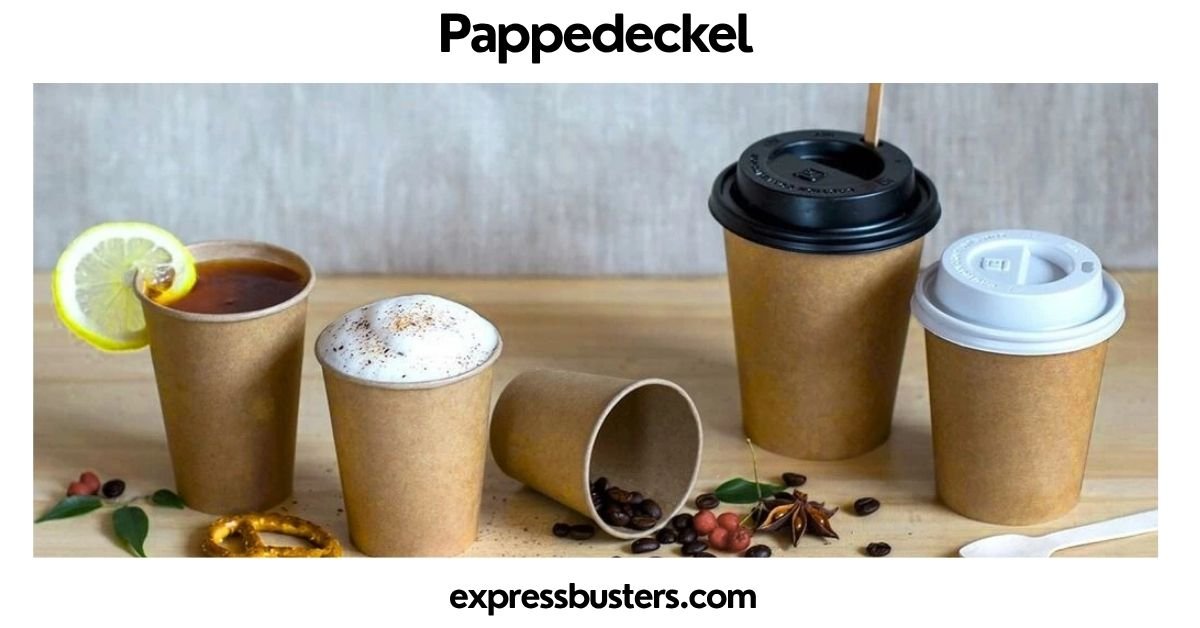
A pappedeckel is a biodegradable cardboard lid designed to replace traditional plastic lids used on beverage cups, food containers, takeaway packaging, and many other products. As governments introduce stricter environmental regulations and customers demand sustainable packaging, cardboard lids are becoming more common across restaurants, coffee shops, retail businesses, and food manufacturers.
Unlike plastic lids that may remain in landfills for hundreds of years, a well-designed pappedeckel can decompose naturally under proper conditions. This helps businesses lower their environmental impact while improving their brand image among eco-conscious customers.
In this comprehensive guide, you’ll learn everything about pappedeckel, including its materials, manufacturing process, environmental benefits, business advantages, common applications, innovations, challenges, and future potential. Whether you’re a business owner, sustainability enthusiast, or simply curious about eco-friendly packaging, this guide provides valuable insights that go beyond basic information.
What Is Pappedeckel?
The word “pappedeckel” comes from the German language and literally refers to a cardboard lid or paperboard cover. Today, the term is increasingly associated with biodegradable lids made primarily from renewable paper fibers.
Unlike traditional plastic lids made from petroleum-based materials, pappedeckel products are manufactured using responsibly sourced cardboard or paperboard. Many versions include food-safe coatings that maintain moisture resistance while remaining recyclable or compostable.
The growing popularity of pappedeckel reflects a larger shift toward environmentally responsible packaging solutions. Businesses are replacing plastic wherever possible, and cardboard lids have become one of the easiest improvements they can make.
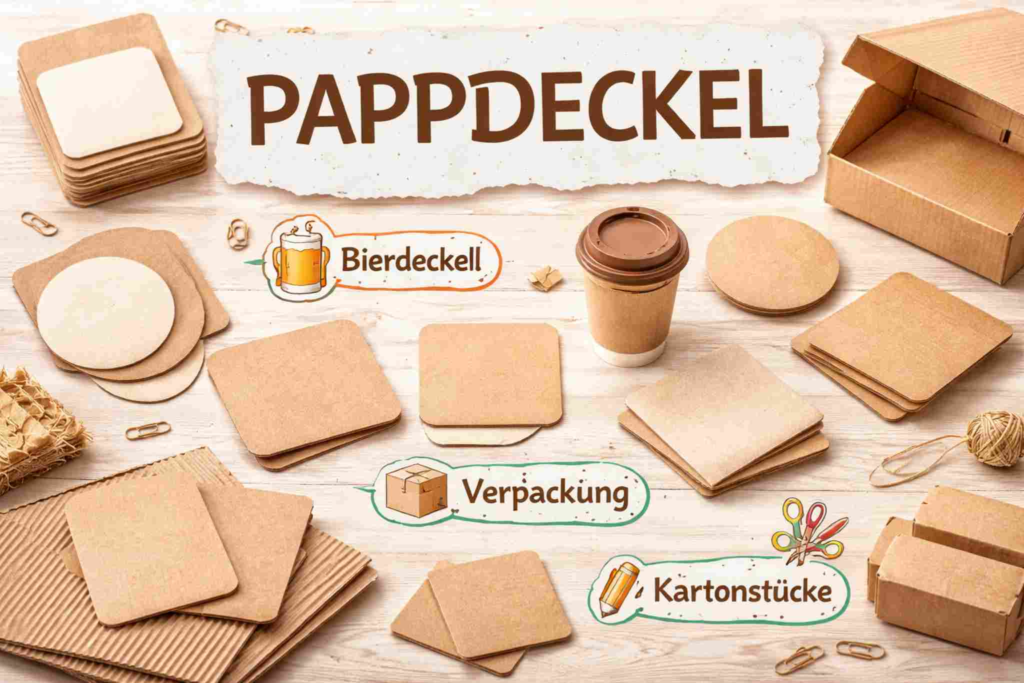
A quality pappedeckel typically offers:
- Lightweight construction
- Strong structural stability
- Food-safe materials
- Comfortable drinking experience
- Heat resistance
- Excellent recyclability
- Reduced environmental impact
These characteristics make pappedeckel suitable for many industries beyond coffee shops alone.
Why Is Pappedeckel Becoming So Popular?
Several global trends explain the rapid growth of cardboard lid adoption.
Rising Environmental Awareness
Consumers understand the harmful effects of plastic pollution better than ever before. Many actively choose brands that demonstrate environmental responsibility.
Using a pappedeckel immediately signals that a company is investing in more sustainable packaging.
Government Regulations
Many countries and local governments continue introducing restrictions on single-use plastics.
Instead of waiting for regulations, businesses are proactively switching to biodegradable alternatives like pappedeckel.
Corporate Sustainability Goals
Large companies now publish sustainability reports that measure plastic reduction.
Replacing plastic lids with cardboard alternatives helps organizations achieve measurable environmental improvements.
Customer Expectations
Modern customers appreciate brands that reduce waste.
Even small packaging improvements can positively influence purchasing decisions.
Also Read: What Prevent Heart Attack: Complete Guide to Protect Your Heart Naturally
Innovation in Packaging
Earlier cardboard lids sometimes had issues with durability.
Today’s pappedeckel designs have improved dramatically through better engineering, stronger fibers, and moisture-resistant coatings.
How Pappedeckel Is Made
Understanding the manufacturing process helps explain why these products perform so well.
Step 1: Sustainable Fiber Collection
Manufacturers begin with renewable paper fibers.
These may include:
- Virgin wood pulp
- Recycled paper fibers
- FSC-certified materials
- Responsibly managed forest resources
Step 2: Pulp Processing
The fibers are cleaned and processed into pulp.
Advanced manufacturing removes contaminants while maintaining fiber strength.
Step 3: Sheet Formation
The pulp is pressed into durable paperboard sheets.
These sheets become the raw material for lid production.
Step 4: Protective Coating
Many food applications require moisture resistance.
Manufacturers apply environmentally friendly coatings that improve durability without sacrificing recyclability whenever possible.
Step 5: Precision Cutting
Modern machines cut the paperboard into precise lid shapes.
This ensures every pappedeckel fits its intended container perfectly.
Step 6: Quality Inspection
Finished products undergo inspections for:
- Thickness
- Strength
- Food safety
- Shape accuracy
- Heat resistance
- Leak prevention
Only products meeting strict standards proceed to packaging.
Materials Used in Pappedeckel
The quality of a pappedeckel depends greatly on its materials.
Common materials include:
Kraft Paperboard
Known for excellent durability and natural appearance.
Virgin Fiber Paper
Provides smooth surfaces and high structural strength.
Recycled Cardboard
Helps reduce environmental impact while supporting circular economies.
Water-Based Coatings
Improve moisture resistance while remaining more environmentally friendly than traditional plastic coatings.
Plant-Based Barrier Layers
Some manufacturers use biodegradable coatings derived from renewable plant materials.
These innovations continue making cardboard lids more sustainable.
Major Advantages of Using Pappedeckel
The popularity of pappedeckel continues to grow because it delivers numerous benefits.
Better for the Environment
Perhaps the biggest advantage is reduced plastic waste.
Cardboard naturally decomposes much faster than conventional plastics.
Renewable Resources
Paper fibers come from renewable forests managed through sustainable forestry practices.
Lower Carbon Footprint
Manufacturing paper-based packaging often produces fewer greenhouse gas emissions than petroleum-based plastics, especially when recycled fibers are used.
Strong Brand Image
Consumers increasingly associate sustainable packaging with responsible businesses.
Companies using pappedeckel often strengthen customer trust.
Improved Recycling Rates
Many cardboard lids can enter existing paper recycling systems if free from food contamination.
Better Customer Experience
Many users appreciate the natural texture and appearance of cardboard compared with plastic.
The packaging feels premium while reflecting environmental values.
Where Is Pappedeckel Used?
The versatility of pappedeckel allows use across many industries.
Coffee Shops
Perhaps the most recognizable application.
Cardboard lids fit hot beverage cups while reducing plastic consumption.
Fast Food Restaurants
Takeaway beverages increasingly use biodegradable lids.
Bakeries
Many bakeries package drinks with cardboard lids that complement paper bags and recyclable containers.
Food Delivery
Delivery companies seek packaging solutions that reduce waste while protecting food quality.
Catering Businesses
Large catering operations benefit from environmentally friendly serving containers.
Corporate Cafeterias
Many organizations replace plastic with pappedeckel to support sustainability initiatives.
Events and Festivals
Temporary events often generate significant waste.
Using biodegradable packaging reduces environmental impact.
Universities
Educational institutions increasingly promote sustainable campus dining.
Airlines
Some airlines are exploring lighter, recyclable packaging to reduce waste during flights.
Also Read:What to Do to Prevent Heart Attack: Complete Guide for a Healthy Heart
Pappedeckel vs Plastic Lids
Understanding the differences helps explain why cardboard lids are gaining popularity.
| Feature | Pappedeckel | Plastic Lid |
| Renewable Material | Yes | No |
| Biodegradable | Usually | Rarely |
| Plastic-Free | Often | No |
| Eco-Friendly | High | Lower |
| Recycling Potential | High | Depends on material |
| Public Perception | Positive | Declining |
| Sustainability | Excellent | Limited |
Although plastic still offers advantages in moisture resistance and cost in some situations, technological improvements continue narrowing the performance gap.
How Businesses Benefit from Pappedeckel
Sustainability has become a competitive advantage.
Businesses using pappedeckel often enjoy several measurable benefits.
Improved Customer Loyalty
Many consumers return to businesses that align with their environmental values.
Better Brand Reputation
Eco-friendly packaging demonstrates responsibility.
Positive public perception often translates into stronger customer relationships.
Marketing Opportunities
Sustainable packaging creates authentic marketing stories.
Companies can communicate their environmental efforts through social media, websites, and packaging itself.
Competitive Differentiation
In crowded markets, even small packaging improvements help businesses stand out.
Future Regulatory Readiness
Businesses adopting sustainable packaging today are better prepared for future environmental regulations.
Industries Driving Demand
Demand for pappedeckel continues expanding across numerous sectors.
Major industries include:
- Food service
- Coffee chains
- Beverage manufacturers
- Hospitality
- Hotels
- Airlines
- Schools
- Universities
- Healthcare facilities
- Corporate offices
- Convenience stores
- Retail food outlets
- Event management companies
Each sector benefits from reducing plastic waste while improving sustainability.
Common Misconceptions About Pappedeckel
Despite growing awareness, several myths still exist.
Myth 1: Cardboard Lids Become Soft Immediately
Modern moisture-resistant coatings significantly improve durability.
High-quality pappedeckel products maintain their structure throughout normal beverage consumption.
Myth 2: Cardboard Cannot Handle Hot Drinks
Today’s engineered paperboard withstands high beverage temperatures effectively.
Many products are specifically designed for coffee and tea.
Myth 3: Sustainable Packaging Is Always Expensive
Initial costs may sometimes be slightly higher, but increased customer satisfaction, stronger branding, and evolving manufacturing efficiencies often offset the difference.
Myth 4: Cardboard Packaging Looks Cheap
Modern designs offer a premium appearance with smooth finishes, attractive printing, and customizable branding.
Many luxury brands intentionally choose paper-based packaging because it communicates quality and environmental responsibility.
Myth 5: There Is Only One Type of Pappedeckel
Manufacturers now produce a wide variety of cardboard lids for different cup sizes, food containers, temperatures, and commercial needs.
Innovations Transforming Pappedeckel
The packaging industry continues to invest heavily in research and development. Modern pappedeckel products are much more advanced than the first cardboard lids introduced several years ago. Manufacturers are constantly improving durability, comfort, and environmental performance.
Some of the latest innovations include:
Improved Drinking Openings
Engineers have redesigned drinking spouts to provide a smoother flow of beverages. These improvements create an experience similar to high-quality plastic lids while maintaining the benefits of biodegradable materials.
Better Heat Insulation
Advanced paperboard structures help reduce heat transfer. This makes hot beverages more comfortable to hold while keeping drinks warm for longer periods.
Leak-Resistant Designs
One of the biggest improvements has been leak prevention. Precision manufacturing allows lids to fit cups more securely, reducing spills during transportation.
Plant-Based Protective Coatings
Many manufacturers are replacing plastic-based coatings with coatings derived from renewable plant materials. These coatings improve moisture resistance while supporting compostability.
Smart Manufacturing
Automation and artificial intelligence are improving production quality. Modern factories use sensors and computer vision systems to detect defects before products leave the production line.
Custom Branding
Businesses can now print high-quality logos, promotional messages, QR codes, and sustainability information directly onto the pappedeckel. This transforms simple packaging into an effective marketing tool.
Environmental Benefits Beyond Plastic Reduction
Replacing plastic lids with pappedeckel provides more benefits than simply reducing plastic waste.
Lower Landfill Pressure
Paper-based products naturally break down much faster than conventional plastics under proper disposal conditions. This helps reduce the amount of long-lasting waste entering landfills.
Support for Circular Economy
Many cardboard lids are designed to be recycled into new paper products. This supports a circular economy where materials remain in use instead of becoming waste.
Reduced Dependence on Fossil Fuels
Plastic production relies heavily on petroleum. Cardboard products use renewable fiber resources, reducing dependence on non-renewable fossil fuels.
Encouraging Responsible Consumer Behavior
When customers see biodegradable packaging, they often become more aware of environmental issues. This encourages better recycling habits and supports broader sustainability efforts.
Cleaner Public Spaces
Plastic lids are common litter found on streets, beaches, parks, and waterways. Increasing the use of biodegradable alternatives helps reduce long-term environmental pollution.
Challenges Facing Pappedeckel
Although pappedeckel offers many advantages, it is important to understand its current limitations.
Moisture Exposure
Extended contact with liquids may weaken cardboard over time if the lid is not manufactured with high-quality protective coatings.
Manufacturing Costs
Eco-friendly materials and advanced production methods can increase manufacturing costs compared to conventional plastic lids. However, these costs continue to decrease as production scales up.
Recycling Confusion
Consumers are sometimes unsure whether a used cardboard lid should be recycled, composted, or discarded. Clear labeling helps solve this problem.
Limited Composting Infrastructure
Not every community has industrial composting facilities. Even biodegradable products may end up in landfills if local waste systems are limited.
Performance Expectations
Some customers still compare cardboard lids directly with decades of plastic development. Continuous innovation is helping close this performance gap.
How to Choose a High-Quality Pappedeckel
Not every cardboard lid is made to the same standard. Businesses should evaluate several important factors before purchasing.
Material Quality
Choose products made from strong, food-grade paperboard with reliable certifications.
Moisture Resistance
A quality pappedeckel should resist moisture long enough for normal beverage consumption.
Secure Cup Fit
The lid should attach firmly without becoming difficult to remove.
Sustainability Certifications
Look for certifications showing responsible sourcing or environmental compliance whenever possible.
Manufacturing Standards
Reliable suppliers follow strict quality control procedures to ensure consistency.
Printing Options
If branding is important, choose suppliers that offer high-quality printing using environmentally friendly inks.
How Businesses Can Successfully Switch to Pappedeckel
Transitioning from plastic lids to cardboard lids requires planning, but the process is usually straightforward.
Evaluate Current Packaging
Review existing cup sizes, lid designs, and customer needs before making changes.
Test Multiple Suppliers
Compare several manufacturers to find the best combination of quality, price, and sustainability.
Train Employees
Staff should understand the features and benefits of the new packaging so they can answer customer questions confidently.
Inform Customers
Explain why the business has adopted pappedeckel. Customers often appreciate transparency and environmental responsibility.
Monitor Customer Feedback
Collect opinions after implementation and make improvements if necessary.
Consumer Trends Driving Demand
Several consumer trends are increasing demand for sustainable packaging.
Eco-Conscious Purchasing
Many customers now consider environmental impact before making buying decisions.
Preference for Sustainable Brands
Businesses demonstrating genuine environmental responsibility often earn greater customer trust.
Social Media Influence
Consumers frequently share sustainable products online, providing businesses with valuable organic marketing opportunities.
Younger Generations
Many younger consumers actively support environmentally responsible companies and prefer products with recyclable or biodegradable packaging.
Corporate Purchasing Policies
Large organizations increasingly require sustainable packaging from suppliers as part of procurement standards.
Future of Pappedeckel
The future looks promising for cardboard lids.
Several developments are expected over the coming years.
Improved Compostable Coatings
Researchers continue developing coatings that improve water resistance while remaining fully compostable.
Stronger Paper Fibers
New manufacturing techniques will likely create even thinner yet stronger cardboard materials.
Increased Recycling Rates
Better recycling education and infrastructure will help recover more paper-based packaging.
Global Expansion
As environmental regulations become stricter worldwide, demand for pappedeckel is expected to grow across many industries.
Lower Production Costs
Higher production volumes and improved manufacturing efficiency should gradually reduce costs.
Integration with Smart Packaging
Future pappedeckel designs may include printed QR codes, digital tracking, or interactive customer experiences without increasing environmental impact.
Expert Insights on the Future of Sustainable Packaging
Looking beyond today’s products, the packaging industry is entering a period of rapid transformation. Pappedeckel represents more than a replacement for plastic—it symbolizes a shift toward designing packaging with its entire life cycle in mind.
Experts increasingly evaluate packaging using several key principles:
- Renewable raw materials
- Low carbon emissions
- Easy recycling
- Minimal waste generation
- Consumer convenience
- Product safety
- Cost efficiency
Businesses that adopt these principles early are likely to remain competitive as sustainability expectations continue to evolve.
Also Read: How Can You Prevent a Heart Attack? The Complete Guide to Protecting Your Heart Naturally
Practical Tips for Consumers
Consumers can maximize the environmental benefits of pappedeckel by following a few simple practices.
- Dispose of lids according to local recycling or composting guidelines.
- Avoid contaminating recyclable paper with excessive food waste.
- Support businesses that invest in sustainable packaging.
- Bring reusable cups when possible to reduce single-use packaging altogether.
- Learn local recycling rules since they vary by community.
Small individual actions, combined with responsible business practices, create meaningful environmental improvements over time.
Why Pappedeckel Matters More Than Ever
Climate change, resource conservation, and plastic pollution are no longer distant concerns. They directly affect communities, businesses, and future generations.
While replacing a plastic lid may seem like a small change, millions of lids are used every day around the world. Even modest improvements in packaging can result in significant reductions in plastic waste over time.
Pappedeckel demonstrates that sustainable innovation does not always require complex technology. Sometimes, replacing a familiar product with a better-designed alternative creates substantial environmental benefits while maintaining convenience for consumers.
Conclusion
Pappedeckel has become one of the most practical innovations in sustainable packaging. By replacing traditional plastic lids with biodegradable cardboard alternatives, businesses can significantly reduce plastic waste while meeting growing consumer expectations for environmentally responsible products.
Modern pappedeckel solutions combine durability, functionality, food safety, and attractive design with renewable materials that support a more sustainable future. Improvements in manufacturing, coatings, and engineering continue to enhance performance, making cardboard lids suitable for an expanding range of applications.
Although challenges such as moisture resistance, recycling infrastructure, and production costs still exist, ongoing innovation continues to address these issues. As governments strengthen environmental policies and consumers increasingly prioritize sustainability, demand for biodegradable packaging is expected to accelerate.
For businesses, adopting pappedeckel is more than an operational decision. It is an opportunity to strengthen brand reputation, demonstrate environmental leadership, and prepare for a future where sustainable packaging becomes the industry standard.
Whether you are a café owner, restaurant operator, packaging supplier, or environmentally conscious consumer, understanding the value of pappedeckel helps you make smarter decisions that benefit both business and the planet.
Frequently Asked Questions About Pappedeckel
What does the word pappedeckel mean?
Pappedeckel is a German term that generally refers to a cardboard lid or paperboard cover. Today, it is commonly associated with biodegradable cardboard lids used as sustainable alternatives to plastic lids.
Is pappedeckel completely plastic-free?
Many products are completely plastic-free, while others may include thin food-safe barrier coatings. Always check the manufacturer’s specifications.
Can pappedeckel be used for hot coffee?
Yes. High-quality cardboard lids are designed to handle hot beverages such as coffee, tea, and hot chocolate while maintaining structural integrity.
Are cardboard lids recyclable?
In many regions, clean cardboard lids can be recycled with paper products. Disposal depends on local recycling guidelines and whether the lid contains food residue or specialized coatings.
Can pappedeckel be composted at home?
Some products are home compostable, while others require industrial composting facilities. Review the packaging instructions for accurate disposal.
Does pappedeckel affect the taste of beverages?
A well-manufactured cardboard lid should not noticeably affect the taste or aroma of drinks.
Why are businesses switching to pappedeckel?
Businesses are responding to customer demand for eco-friendly packaging, government regulations on single-use plastics, and corporate sustainability goals.
Is pappedeckel suitable for cold drinks?
Yes. Many designs work well with both hot and cold beverages, provided they are manufactured for the intended temperature range.
How long does a cardboard lid last during normal use?
A quality pappedeckel is designed to remain durable throughout the typical time required to consume a beverage.
Can businesses customize pappedeckel with their logo?
Yes. Many manufacturers offer custom printing, allowing businesses to display logos, brand colors, promotional messages, and sustainability information directly on the lid.
Will pappedeckel become more common in the future?
Industry trends suggest that demand will continue to grow as businesses and consumers prioritize environmentally friendly packaging solutions.
What industries benefit the most from pappedeckel?
Coffee shops, restaurants, food delivery companies, bakeries, catering services, airlines, hotels, educational institutions, healthcare facilities, and corporate offices are among the industries that can benefit significantly from adopting pappedeckel.