What Happens During a Heart Attack? Symptoms, Causes, Warning Signs & Treatment Guide
A heart attack is one of the most serious medical emergencies in the world. Every year, hundreds of thousands of Americans experience a heart attack, and many people still do not fully understand what happens during a heart attack or why it can become deadly within minutes.
Many people think a heart attack always looks dramatic, with sudden chest pain and collapse. In reality, symptoms can be mild, slow, confusing, or even silent. Some people mistake a heart attack for heartburn, stress, muscle pain, or exhaustion. That delay can be dangerous.
Understanding what happens during a heart attack can help save lives. It can also help people recognize warning signs early and seek medical treatment before permanent damage occurs.
What Is a Heart Attack?
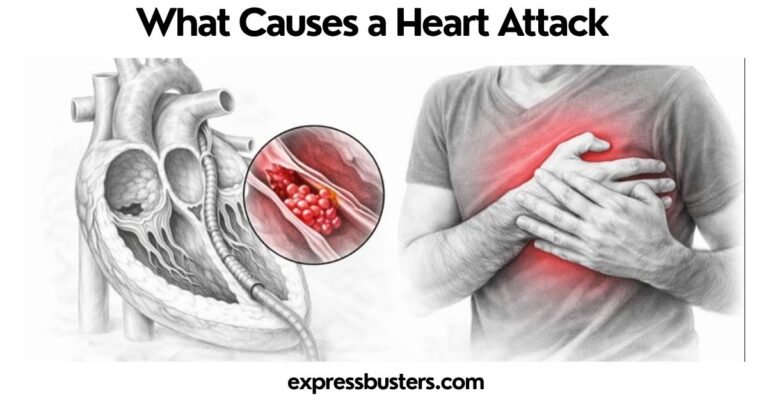
A heart attack happens when blood flow to part of the heart suddenly becomes blocked. Without oxygen-rich blood, the heart muscle begins to suffer damage.
The medical name for a heart attack is myocardial infarction.
The heart is a powerful muscle that pumps blood throughout the body. Like every muscle, it needs oxygen and nutrients to work properly. These are delivered through blood vessels called coronary arteries.
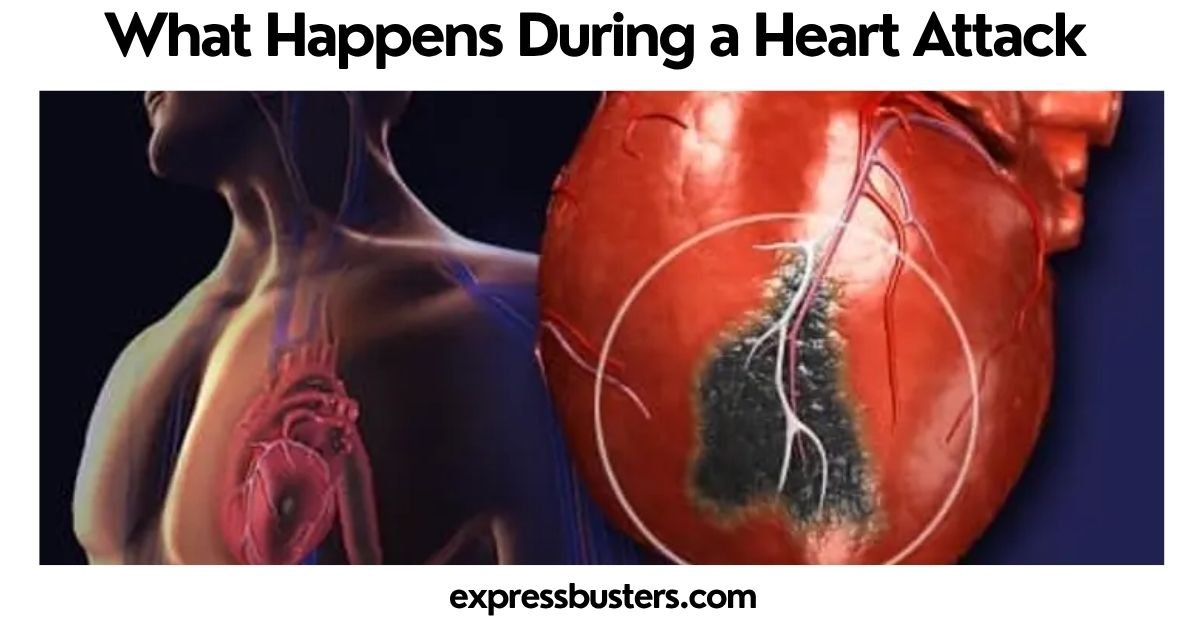
When one of these arteries becomes blocked, the heart muscle cannot get enough oxygen. If blood flow is not restored quickly, heart tissue starts to die.
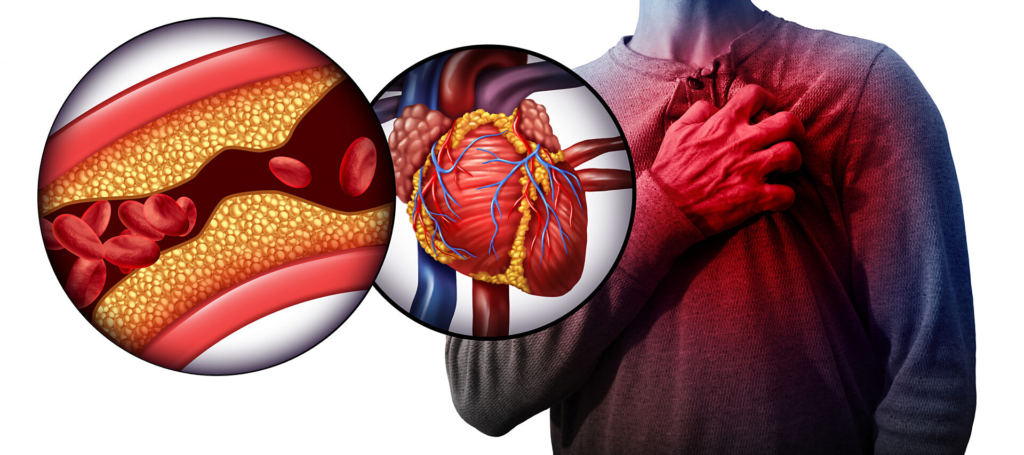
That is what happens during a heart attack.
What Happens During a Heart Attack Inside the Body?
To fully understand what happens during a heart attack, it helps to know how the heart normally works.
The heart has several coronary arteries wrapped around its surface. These arteries supply oxygen-rich blood to the heart muscle itself.
Over time, fatty deposits called plaque can build up inside these arteries. This condition is known as coronary artery disease.
The process usually happens slowly over many years.
A heart attack often begins when a plaque suddenly ruptures or tears open. The body reacts by forming a blood clot around the rupture.
That clot may partially or completely block blood flow.
Once the blockage happens:
- Oxygen cannot reach part of the heart muscle
- Heart cells begin to weaken
- The affected area becomes damaged
- Heart tissue starts dying if blood flow stays blocked
- The heart may stop pumping properly
This entire process can happen within minutes.
The longer the blockage lasts, the more heart damage occurs.
What Is Happening to the Heart During a Heart Attack?
Many people ask, “What is happening to the heart during a heart attack?”
During a heart attack, the heart muscle is struggling to survive because it is not receiving enough oxygen.
The affected part of the heart becomes injured and inflamed. Electrical signals may become unstable, causing dangerous heartbeat changes called arrhythmias.
Also Read: What Is a Widow Maker Heart Attack? Symptoms, Causes, Survival Rate, and Prevention
The heart may also lose its ability to pump blood efficiently.
This can lead to:
- Weak circulation
- Low oxygen delivery to organs
- Shortness of breath
- Dizziness
- Cardiac arrest in severe cases
If the blockage continues for too long, parts of the heart muscle die permanently.
Unlike some body tissues, dead heart muscle cannot fully regenerate.
That is why rapid treatment is critical.
What Happens to Blood Pressure During a Heart Attack?
Many people wonder what happens to blood pressure during a heart attack.
Blood pressure can change in different ways depending on the severity of the attack and the person’s health.
In some cases, blood pressure rises at first because the body releases stress hormones like adrenaline. Fear, pain, and panic can also increase blood pressure temporarily.
However, blood pressure may later drop if the heart becomes too weak to pump properly.
Low blood pressure during a heart attack can be dangerous because it means the body and organs are not receiving enough blood flow.
Severe drops in blood pressure can lead to shock, unconsciousness, or organ failure.
Doctors closely monitor blood pressure during heart attack treatment because it gives important clues about heart function and circulation.
How a Heart Attack Starts
A heart attack usually does not happen without warning signs developing over time.
The process often begins years earlier with artery damage caused by:
- High cholesterol
- Smoking
- Diabetes
- High blood pressure
- Obesity
- Chronic inflammation
- Poor diet
- Lack of exercise
As plaque builds up, arteries become narrower.
Blood can still flow, but not as efficiently.
Eventually, one of three things may happen:
Plaque Rupture
The plaque cracks open, triggering clot formation.
Severe Artery Narrowing
The artery becomes almost fully blocked over time.
Coronary Artery Spasm
The artery suddenly tightens, reducing blood flow.
The first cause is the most common reason for heart attacks.
Common Heart Attack Symptoms
Symptoms vary greatly from person to person.
Some heart attacks are sudden and severe. Others begin slowly with mild discomfort.
The most common symptoms include:
Chest Pain or Pressure
This is the classic symptom.
People often describe it as:
- Tightness
- Squeezing
- Pressure
- Burning
- Fullness
- Heavy weight on the chest
The pain may last several minutes or come and go.
Shortness of Breath
Breathing may feel difficult even without physical activity.
This can happen before chest pain or alongside it.
Pain in Other Areas
Pain may spread to:
- Left arm
- Right arm
- Back
- Neck
- Jaw
- Shoulders
- Upper stomach
Cold Sweat
Sudden sweating without physical activity is a warning sign.
Nausea or Vomiting
Some people feel sick to their stomach during a heart attack.
Dizziness or Lightheadedness
Poor blood flow may make someone feel faint or weak.
Extreme Fatigue
Unusual exhaustion is especially common in women.
Onset and Provocation of Symptoms
Heart attack symptoms can begin during exercise, stress, emotional shock, or even rest.
Pain is often “provoked,” meaning it becomes worse with physical activity because the heart needs more oxygen during exertion.
Symptoms may include:
- Sharp chest pain
- Arm pain
- Tight chest pressure
- Trouble breathing
- Sweating
- Sudden weakness
Some people ignore mild symptoms for hours or days before seeking help.
That delay increases heart damage.
Silent Heart Attacks
Not all heart attacks cause severe pain.
Some are called silent heart attacks because symptoms are mild or confusing.
People may think they have:
- Acid reflux
- Indigestion
- Muscle strain
- Fatigue
- Anxiety
- Flu symptoms
Silent heart attacks are more common in:
- Older adults
- Women
- People with diabetes
Even without severe symptoms, silent heart attacks still damage the heart.
Symptoms in Women
Women often experience different symptoms than men.
Chest pain may still occur, but women are more likely to experience:
- Nausea
- Back pain
- Jaw pain
- Fatigue
- Dizziness
- Shortness of breath
- Sleep problems
- Anxiety-like symptoms
Because symptoms may seem less obvious, women sometimes delay treatment longer than men.
That delay can increase complications.
Symptoms in Men
Men more commonly report:
- Strong chest pressure
- Crushing chest pain
- Left arm pain
- Sweating
- Sudden severe symptoms
However, symptoms can still vary widely.
Types of Heart Attacks
Not every heart attack is the same.
Doctors classify them into different types.
STEMI Heart Attack
A STEMI is the most severe type.
It happens when a coronary artery becomes completely blocked.
Large areas of the heart may lose blood flow quickly.
Emergency treatment is critical.
NSTEMI Heart Attack
An NSTEMI is usually caused by a partial blockage.
Damage still occurs, but it may affect a smaller area.
It is still a medical emergency.
Coronary Artery Spasm
Sometimes arteries tighten suddenly without major plaque buildup.
This temporary spasm can reduce blood flow enough to trigger a heart attack.
Why Fast Treatment Matters
Time is extremely important during a heart attack.
Doctors often say:
“Time is muscle.”
That means every minute without blood flow causes more heart muscle damage.
Fast treatment can:
- Restore circulation
- Reduce heart damage
- Prevent complications
- Improve survival rates
Waiting too long can lead to permanent heart failure or death.
What to Do During a Heart Attack
If you think someone is having a heart attack:
Call 911 Immediately
Do not wait to see if symptoms improve.
Emergency medical teams can begin treatment on the way to the hospital.
Have the Person Sit Down
Keep them calm and seated.
Give Aspirin if Appropriate
Chewing aspirin may help reduce clotting if there is no allergy or medical reason to avoid it.
Loosen Tight Clothing
Help the person breathe comfortably.
Be Ready for CPR
If the person collapses and stops breathing normally, CPR may save their life.
What Happens at the Hospital
Doctors move quickly when treating a heart attack.
Several tests help confirm the diagnosis.
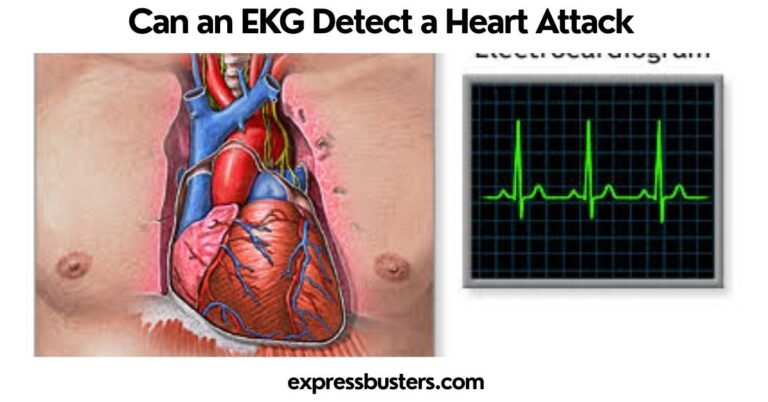
Electrocardiogram (ECG)
This measures the heart’s electrical activity.
It can show damage or blocked blood flow.
Blood Tests
Damaged heart cells release proteins called troponins into the blood.
High troponin levels often confirm a heart attack.
Imaging Tests
Doctors may use:
- Echocardiograms
- Chest X-rays
- Coronary angiography
These tests help identify blocked arteries and heart damage.
Heart Attack Treatments
Treatment focuses on restoring blood flow quickly.
Medications
Doctors may use:
- Blood thinners
- Aspirin
- Clot-busting drugs
- Nitroglycerin
- Beta blockers
- Cholesterol medications
Angioplasty and Stent Placement
A thin tube with a balloon is inserted into the blocked artery.
The balloon opens the artery, and a small mesh tube called a stent keeps it open.
This is one of the most common emergency treatments.
Coronary Artery Bypass Surgery
In severe cases, surgeons create a new path for blood flow around blocked arteries.
What Happens After a Heart Attack?
Recovery depends on:
- How quickly treatment began
- How much heart muscle was damaged
- Overall health
- Lifestyle changes after the event
Some people recover well and return to normal activities.
Others may develop long-term heart problems.
Possible Complications
Heart attacks can lead to serious complications.
Heart Failure
Damaged heart muscle may become too weak to pump efficiently.
Arrhythmias
Electrical damage can cause abnormal heart rhythms.
Some are life-threatening.
Cardiogenic Shock
The heart suddenly cannot pump enough blood to support the body.
This is a medical emergency.
Cardiac Arrest
The heart suddenly stops beating effectively.
Without immediate CPR and defibrillation, death can occur within minutes.
Emotional Effects After a Heart Attack
Many people focus only on physical recovery.
However, emotional healing is also important.
After a heart attack, people may experience:
- Fear
- Anxiety
- Depression
- Stress
- Loss of confidence
Some become afraid to exercise or return to daily activities.
Cardiac rehabilitation programs help patients recover both physically and emotionally.
What Happens During a Heart Attack at the Cellular Level?
Most articles stop at blocked arteries, but understanding the cellular process gives deeper insight into what happens during a heart attack.
When oxygen disappears:
- Heart cells switch to emergency energy production
- Acid builds up inside cells
- Cells lose their ability to function
- Inflammation increases
- Cell membranes break apart
- Cells begin dying
As more cells die, the heart becomes weaker.
This explains why long delays before treatment can permanently reduce heart function.
Why Some People Survive Severe Heart Attacks
Survival depends on many factors, including:
- Speed of treatment
- Location of blockage
- Size of damaged area
- Age
- Existing health conditions
- Emergency response
Some people develop small backup blood vessels called collateral circulation.
These vessels may help protect the heart during reduced blood flow.
Risk Factors for Heart Attack
Some risk factors cannot be changed.
Others can be improved.
Major Risk Factors
Smoking
Smoking damages arteries and increases clot risk.
High Blood Pressure
Constant pressure damages artery walls.
High Cholesterol
Extra cholesterol contributes to plaque buildup.
Diabetes
High blood sugar damages blood vessels.
Obesity
Extra body fat increases heart strain.
Physical Inactivity
Lack of exercise weakens cardiovascular health.
Poor Diet
Highly processed foods increase inflammation and artery damage.
Stress
Chronic stress may raise blood pressure and unhealthy hormone levels.
Family History
Genetics can increase risk.
Age
Risk increases with age.
Can Young People Have Heart Attacks?
Yes.
Although heart attacks are more common in older adults, younger people can also experience them.
Also Read: How Long Do Heart Attacks Last? Symptoms, Warning Signs, Recovery, and What You Need to Know
Causes may include:
- Smoking
- Drug use
- Obesity
- Diabetes
- High cholesterol
- Genetic conditions
- Severe stress
Heart attacks in younger adults have become more common in recent years due to unhealthy lifestyle trends.
Can Stress Cause a Heart Attack?
Stress alone usually does not directly block arteries.
However, severe stress can contribute to:
- High blood pressure
- Increased inflammation
- Abnormal heart rhythms
- Artery spasms
- Unhealthy habits like smoking or overeating
Extreme emotional stress may also trigger a condition called stress cardiomyopathy, sometimes called broken heart syndrome.
How Doctors Prevent Future Heart Attacks
After surviving a heart attack, prevention becomes critical.
Doctors often recommend:
- Quitting smoking
- Lowering cholesterol
- Managing blood pressure
- Controlling diabetes
- Eating healthier foods
- Exercising regularly
- Losing excess weight
- Taking medications consistently
These changes reduce future risk significantly.
Best Foods for Heart Health
Diet plays a major role in prevention.
Helpful foods include:
- Vegetables
- Fruits
- Whole grains
- Fish
- Nuts
- Beans
- Olive oil
- High-fiber foods
Foods to limit include:
- Processed meats
- Fried foods
- Sugary drinks
- Excess salt
- Trans fats
Exercise After a Heart Attack
Many people fear physical activity after a heart attack.
In reality, supervised exercise often improves recovery.
Cardiac rehabilitation programs teach safe exercise methods and help strengthen the heart gradually.
Even simple walking can improve heart health.
Modern Advances in Heart Attack Treatment
Heart attack treatment has improved greatly over the past few decades.
Modern advances include:
- Faster ambulance diagnosis
- Better emergency medications
- Advanced stents
- Improved clot removal techniques
- Better rehabilitation programs
- Wearable heart monitoring devices
Because of these improvements, survival rates are better than in the past.
Warning Signs People Commonly Ignore
Many people miss early symptoms because they seem minor.
Commonly ignored warning signs include:
- Mild chest discomfort
- Fatigue
- Jaw pain
- Back pain
- Shortness of breath
- Nausea
- Sweating
- Lightheadedness
Listening to the body and acting quickly can save lives.
How Heart Attacks Differ From Panic Attacks
Heart attacks and panic attacks can feel similar.
Both may cause:
- Chest discomfort
- Sweating
- Fast heartbeat
- Shortness of breath
However, heart attack symptoms often involve:
- Pressure-like chest pain
- Pain spreading to the arm or jaw
- Symptoms triggered by physical exertion
- Persistent discomfort
When in doubt, emergency evaluation is always safest.
What Happens During a Heart Attack Compared to Cardiac Arrest?
People often confuse heart attacks with cardiac arrest.
They are different conditions.
A heart attack is a circulation problem caused by blocked blood flow.
Cardiac arrest is an electrical problem where the heart suddenly stops beating effectively.
A heart attack can sometimes trigger cardiac arrest.
Both require emergency treatment.
Long-Term Outlook After a Heart Attack
Many people live long and active lives after recovery.
Success often depends on lifestyle changes and medical follow-up.
Important long-term habits include:
- Taking medications consistently
- Attending doctor appointments
- Staying physically active
- Eating healthy foods
- Managing stress
- Avoiding smoking
Recovery is usually a lifelong process, not a short-term event.
Why Understanding Heart Attacks Matters
Learning what happens during a heart attack is not just medical knowledge. It can help people react faster during emergencies.
Many deaths happen because symptoms are ignored or misunderstood.
Also Read: How Do You Know If Your Have a Heart Attack? The Complete Guide
Recognizing warning signs early may protect both the heart and the brain from permanent damage.
Education saves lives.
Conclusion
A heart attack happens when blood flow to part of the heart becomes blocked, usually because of plaque rupture and clot formation inside a coronary artery. Without oxygen, heart muscle begins to die quickly.
Understanding what is happening during a heart attack helps explain why symptoms like chest pain, shortness of breath, sweating, arm pain, and dizziness occur.
During a heart attack, the heart struggles to pump effectively, blood pressure may rise or fall, and dangerous complications can develop within minutes.
Fast medical treatment is critical because every minute affects how much heart muscle survives.
The good news is that many heart attacks are preventable through healthier lifestyle choices, early medical care, and better awareness of warning signs.
Knowing what happens to the heart during a heart attack may one day help save a life — possibly your own or someone you love.
FAQs About What Happens During a Heart Attack
Can a heart attack happen without chest pain?
Yes. Some people experience nausea, fatigue, shortness of breath, dizziness, or jaw pain without major chest pain.
How long does a heart attack last?
Symptoms may last several minutes to several hours depending on the blockage and treatment timing.
Can heart attack symptoms come and go?
Yes. Symptoms sometimes appear, disappear, and return before a major heart attack occurs.
Is a mild heart attack dangerous?
Yes. Even mild heart attacks damage the heart and increase future risk.
What age do heart attacks usually happen?
Risk increases after age 45 for men and after menopause for women, but younger adults can also experience heart attacks.
Can you survive a heart attack alone?
Some people survive alone, but immediate emergency help greatly improves survival chances.
Does every blocked artery cause a heart attack?
No. Some blockages develop slowly and may not immediately cause symptoms.
Can exercise trigger a heart attack?
Heavy exertion can trigger symptoms in people with severe artery disease, but regular exercise usually lowers overall heart attack risk.
What happens to oxygen during a heart attack?
The blocked artery prevents oxygen-rich blood from reaching part of the heart muscle.
Can emotional stress trigger heart problems?
Yes. Severe stress may increase heart strain and sometimes contribute to heart emergencies.
How quickly should someone seek help during symptoms?
Immediately. Calling 911 at the first warning signs can reduce heart damage and save lives.
Are heart attacks becoming more common?
Heart disease remains one of the leading causes of death worldwide, and unhealthy lifestyle habits continue increasing risk in many populations.