Are Heart Attacks Painful? Symptoms, Pain Areas, Warning Signs, and What You Need to Know
Heart attacks are one of the most serious medical emergencies in the United States. Every year, hundreds of thousands of people experience a heart attack, and many of them do not realize what is happening until it becomes dangerous. One of the most common questions people ask is: “are heart attacks painful?”
The simple answer is yes, heart attacks are often painful. However, the pain can feel different from person to person. Some people feel intense chest pressure, while others only notice mild discomfort, burning, tightness, or pain in other body parts. In some cases, there may be little or no pain at all.
Understanding what heart attack pain feels like, where it happens, and how it spreads can help save lives. This guide explains everything in easy-to-understand language, including heart attack pain areas, warning signs, causes, treatment, and when to seek emergency care.
Are Heart Attacks Painful? Understanding the Truth
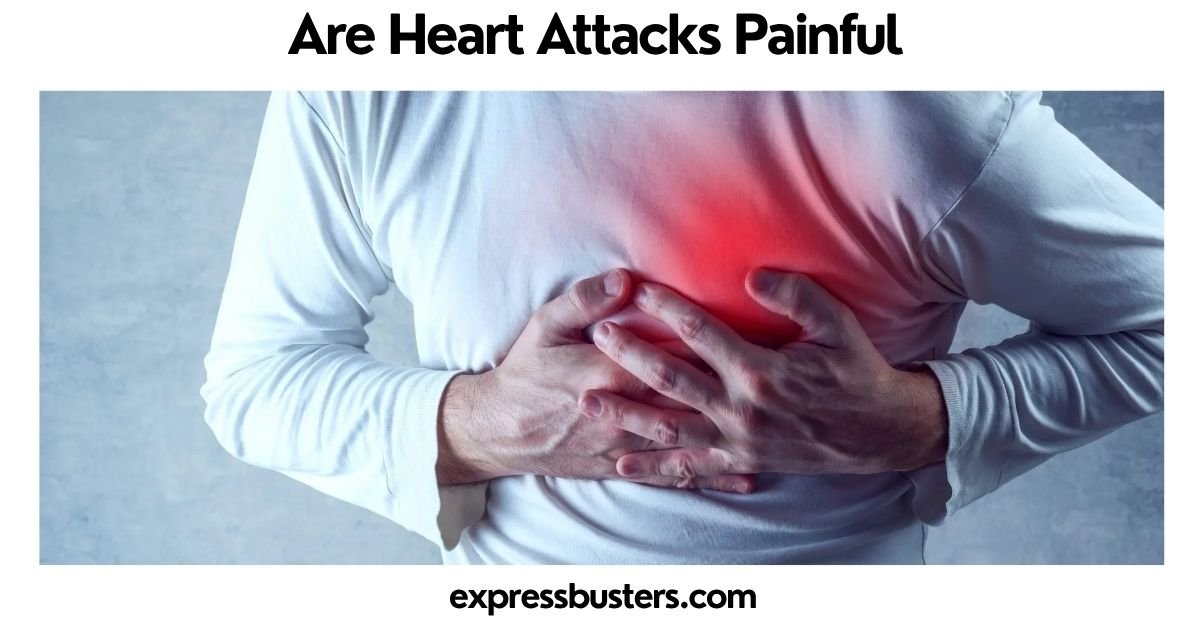
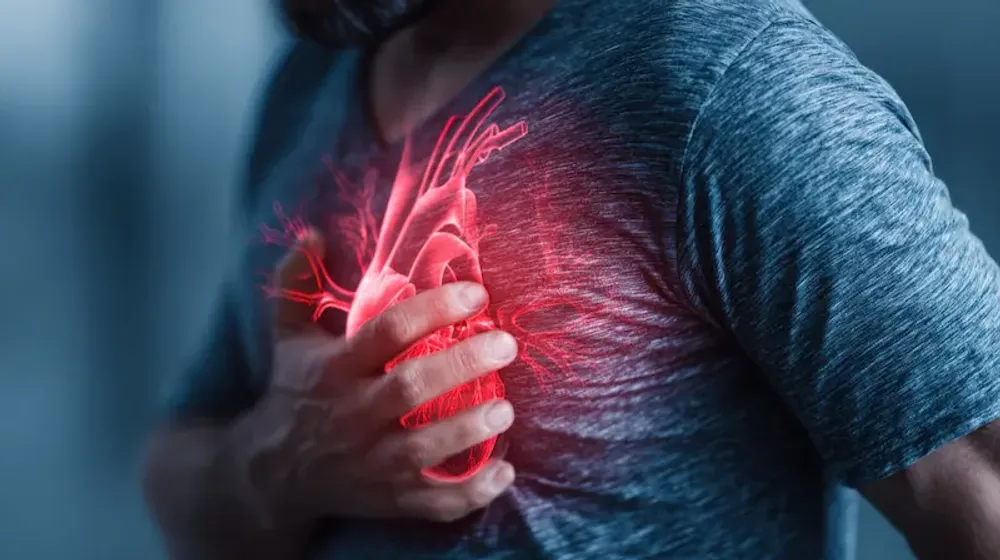
Most heart attacks cause pain or discomfort. The pain happens because the heart muscle is not getting enough oxygen-rich blood. When blood flow becomes blocked, the heart tissue starts to suffer damage. The body reacts with pain signals.
Still, not everyone experiences pain in the same way. This is why many people become confused about heart attack symptoms.
Some people describe heart attack pain as:
- Heavy pressure in the chest
- Tightness or squeezing
- Burning pain
- Sharp discomfort
- Crushing sensation
- Fullness in the chest
- Pain spreading to the arms, neck, jaw, or back
Others may only feel mild discomfort that comes and goes. This is especially common in women, older adults, and people with diabetes.
So when asking, “are heart attacks painful,” the answer is usually yes, but the level and location of pain can vary greatly.
What Does Heart Attack Pain Feel Like?
Many people expect heart attack pain to feel sudden and dramatic. Movies often show someone grabbing their chest and collapsing instantly. Real life is often very different.
Also Read: What Does Heart Attack Arm Pain Feel Like? Signs, Symptoms, Causes, and When to Get Help
Heart attack pain may begin slowly and become stronger over time. Some people think it is indigestion, muscle strain, stress, or acid reflux.
Common feelings during a heart attack include:
- Pressure in the center of the chest
- A squeezing sensation
- Pain that lasts more than a few minutes
- Pain that disappears and comes back
- Tightness when breathing
- Burning similar to heartburn
A key difference is that heart attack pain usually does not improve with rest or changes in body position.
Heart Attack Pain Areas: Where Does It Hurt?
One of the biggest questions people ask is about heart attack pain areas. Many people assume the pain only stays in the chest, but that is not always true.
A heart attack can affect several parts of the body because nerves connected to the heart also connect to other areas.
Heart Attack Chest Pain Area
The most common heart attack chest pain area is the center or left side of the chest.
People often describe it as:
- Pressure behind the breastbone
- Tightness in the chest
- A heavy object sitting on the chest
- Squeezing pain
The discomfort may stay in one spot or spread outward.
Where Are Heart Attack Chest Pains Usually Felt?
When people ask, “where are heart attack chest pains,” the answer usually includes the center chest area. However, the pain may spread to nearby body parts.
Common locations include:
- Left arm
- Both arms
- Neck
- Jaw
- Upper back
- Shoulders
- Upper stomach
This spreading pain is called radiating pain.
Where Are Chest Pains During a Heart Attack Most Common?
Where are chest pains during a heart attack most noticeable? For many people, the pain starts in the middle of the chest and radiates outward.
The discomfort may feel:
- Constant
- On and off
- Mild at first
- Stronger over time
Some people only feel pressure without sharp pain.
Heart Attack Pain Area in Men
Men often experience the classic symptoms of a heart attack. The heart attack pain area in men commonly includes:
- Center chest
- Left chest
- Left arm
- Jaw
- Upper back
Men are more likely to report crushing chest pain compared to women.
However, not all men experience severe pain. Some have mild pressure or unusual fatigue before the attack.
Heart Attack Pain Area in Women
Women can experience very different symptoms from men. This is one reason heart attacks in women are sometimes missed.
Women may feel:
- Pressure instead of severe pain
- Upper back pain
- Jaw pain
- Nausea
- Dizziness
- Extreme fatigue
- Shortness of breath
Some women never feel strong chest pain at all.
This makes it important to recognize less obvious warning signs.
Can a Heart Attack Happen Without Chest Pain?
Yes. A heart attack can happen without severe chest pain. This is called a silent heart attack.
Silent heart attacks are more common in:
- Older adults
- Women
- People with diabetes
- People with high blood pressure
Symptoms may include:
- Sudden tiredness
- Sweating
- Mild discomfort
- Breathing problems
- Nausea
- Weakness
Many people mistake silent heart attacks for flu symptoms, indigestion, or stress.
Why Are Heart Attacks Painful?
Heart attacks become painful because the heart muscle lacks oxygen.
The heart needs a steady blood supply through the coronary arteries. When one of these arteries becomes blocked, oxygen cannot reach part of the heart.
This causes:
- Tissue damage
- Inflammation
- Nerve irritation
- Muscle stress
The brain interprets these signals as pain or discomfort.
The longer the blockage continues, the more damage occurs.
How Long Does Heart Attack Pain Last?
Heart attack pain often lasts longer than normal chest discomfort.
Typical heart attack pain may:
- Last more than 5 minutes
- Come and go repeatedly
- Become stronger over time
- Continue during rest
If chest pain lasts several minutes and is combined with shortness of breath, sweating, or nausea, emergency medical care is needed immediately.
What Causes a Heart Attack?
Heart attacks usually happen because of blocked coronary arteries.
Common causes include:
Plaque Buildup
Fatty deposits called plaque build up inside arteries over many years. This condition is called atherosclerosis.
Blood Clots
If plaque breaks open, a blood clot may form and block blood flow.
Coronary Artery Spasm
Sometimes arteries suddenly tighten, reducing blood flow.
Severe Stress
Extreme emotional or physical stress can trigger heart problems in some people.
Major Risk Factors for Heart Attacks
Certain conditions increase the risk of heart attacks.
High Blood Pressure
High blood pressure damages artery walls over time.
Smoking
Smoking narrows blood vessels and reduces oxygen levels.
High Cholesterol
Too much cholesterol leads to plaque buildup.
Diabetes
Diabetes increases artery damage and heart disease risk.
Obesity
Extra body weight strains the heart.
Lack of Exercise
Inactive lifestyles weaken heart health.
Family History
Heart disease may run in families.
Stress
Long-term stress affects blood pressure and heart function.
Are Heart Attacks Always Sudden?
No. Many heart attacks begin gradually.
Some people notice warning signs days or even weeks earlier.
Early symptoms may include:
- Chest discomfort
- Fatigue
- Trouble sleeping
- Shortness of breath
- Weakness
- Mild arm or jaw pain
These symptoms should never be ignored.
What Should You Do During a Heart Attack?
Quick action can save a life.
If you think someone is having a heart attack:
- Call 911 immediately
- Keep the person calm
- Help them sit down
- Loosen tight clothing
- Give aspirin if approved by a doctor
- Do not delay emergency care
Driving yourself to the hospital can be dangerous because symptoms may worsen suddenly.
How Doctors Diagnose a Heart Attack
Doctors use several tests to confirm a heart attack.
ALso Read: How Many Beats Per Minute Is a Heart Attack? Signs, Heart Rate, Causes, and When to Get Help
Electrocardiogram (ECG)
This test checks the heart’s electrical activity.
Blood Tests
Blood tests can detect proteins released when heart muscle is damaged.
Echocardiogram
Ultrasound images show heart movement and damage.
Coronary Angiography
Special dye helps doctors see blocked arteries.
Treatment Options for Heart Attacks
Heart attack treatment depends on how severe the blockage is.
Medications
Doctors may use:
- Blood thinners
- Aspirin
- Nitroglycerin
- Cholesterol medicines
- Blood pressure medicines
Angioplasty and Stents
Doctors open blocked arteries using balloons and metal stents.
Heart Surgery
Some patients need bypass surgery to restore blood flow.
Can Anxiety Cause Similar Chest Pain?
Yes. Anxiety and panic attacks can feel similar to heart attacks.
Symptoms may include:
- Chest tightness
- Rapid heartbeat
- Sweating
- Shortness of breath
However, it can be difficult to tell the difference.
If chest pain is sudden or severe, emergency care is always the safest choice.
Heartburn vs Heart Attack Pain
Many people confuse heartburn with a heart attack.
Heartburn often causes:
- Burning after eating
- Sour taste in the mouth
- Relief with antacids
Heart attack pain is more likely to include:
- Pressure
- Sweating
- Arm pain
- Shortness of breath
- Lasting discomfort
Still, some heart attacks feel similar to indigestion. Never ignore persistent chest pain.
Where Are the Chest Pains in Heart Attack Cases?
Where are the chest pains in heart attack situations most noticeable?
The most common area is:
- Center chest
- Slightly left of center
But pain can spread to:
- Arms
- Neck
- Jaw
- Back
- Upper stomach
Some people feel more pain in these secondary areas than in the chest itself.
Can Young People Have Heart Attacks?
Yes. Although heart attacks are more common in older adults, younger people can also experience them.
Risk factors in younger adults include:
- Smoking
- Obesity
- High stress
- Drug use
- High cholesterol
- Diabetes
- Family history
Ignoring symptoms because of age can be dangerous.
Are Period Cramps as Painful as a Heart Attack?
Many people ask, “are period cramps as painful as a heart attack?”
This comparison became popular after some studies suggested severe menstrual cramps can produce pain levels similar to other intense conditions.
However, pain experiences are highly personal. There is no exact scientific way to compare period cramps to heart attack pain because every person experiences pain differently.
Heart attacks involve reduced blood flow to the heart muscle, which can become life-threatening. Period cramps happen because the uterus contracts during menstruation.
Both conditions may cause:
- Pressure
- Cramping sensations
- Intense discomfort
But heart attacks are dangerous medical emergencies that require immediate care.
Can Heart Attack Pain Come and Go?
Yes. Some heart attacks start with mild pain that comes and goes.
This can confuse people into thinking the problem is minor.
Pain may:
- Fade temporarily
- Return stronger later
- Spread to new areas
Never ignore repeated chest discomfort.
How to Reduce Heart Attack Risk
Heart disease prevention starts with healthy daily habits.
Eat a Heart-Healthy Diet
Choose foods like:
- Vegetables
- Fruits
- Whole grains
- Fish
- Nuts
- Lean proteins
Limit:
- Salt
- Fried foods
- Sugary drinks
- Processed foods
Exercise Regularly
Aim for at least 150 minutes of moderate activity weekly.
Quit Smoking
Stopping smoking greatly improves heart health.
Control Blood Pressure
Regular monitoring helps reduce risk.
Manage Cholesterol
Healthy eating and medications may help.
Reduce Stress
Stress management supports overall heart function.
Get Regular Checkups
Routine screenings can detect problems early.
Why Fast Treatment Matters
Time is critical during a heart attack.
Doctors often say, “time is muscle.” This means every minute without blood flow causes more heart damage.
Quick treatment can:
- Save heart tissue
- Improve survival
- Reduce complications
- Prevent heart failure
Never wait to see if symptoms disappear.
What Happens After a Heart Attack?
Recovery depends on:
- How quickly treatment started
- How much damage occurred
- Overall health
Many people return to normal activities after proper treatment and lifestyle changes.
Recovery may include:
- Cardiac rehabilitation
- Exercise programs
- Medication management
- Diet changes
- Stress reduction
Emotional Effects After a Heart Attack
Heart attacks affect emotional health too.
Many survivors experience:
- Anxiety
- Fear
- Depression
- Stress
Support groups, counseling, and family support can help recovery.
Can Women Have Different Heart Attack Symptoms Than Men?
Yes. Women often have less obvious symptoms.
Women may experience:
- Fatigue
- Back pain
- Jaw pain
- Nausea
- Lightheadedness
Because symptoms can seem unrelated to the heart, women sometimes delay seeking help.
Awareness is essential.
What Is the Difference Between Cardiac Arrest and Heart Attack?
People often confuse these conditions.
A heart attack happens when blood flow to the heart becomes blocked.
Cardiac arrest happens when the heart suddenly stops beating properly.
A heart attack can sometimes lead to cardiac arrest.
Both are serious emergencies.
Can Stress Cause a Heart Attack?
Stress alone may not directly cause every heart attack, but chronic stress increases risk factors.
Stress can raise:
- Blood pressure
- Heart rate
- Inflammation
- Smoking habits
- Poor eating habits
Extreme emotional events can also trigger heart problems in some individuals.
Most Common Warning Signs of a Heart Attack
The most common warning signs include:
- Chest pressure
- Pain spreading to the arm
- Sweating
- Nausea
- Shortness of breath
- Dizziness
- Fatigue
Symptoms can appear suddenly or gradually.
Why Some People Ignore Heart Attack Symptoms
People often delay treatment because they think symptoms are minor.
Common excuses include:
- “It’s just heartburn.”
- “I’m too young.”
- “It will go away.”
- “It’s only stress.”
Unfortunately, delays can become deadly.
The Importance of Public Awareness
Understanding heart attack symptoms can save lives.
Knowing the answer to “are heart attacks painful” helps people recognize warning signs faster and seek medical care sooner.
Public awareness also helps families support loved ones during emergencies.
Frequently Asked Questions About Heart Attacks
Can heart attack pain move around the body?
Yes. Pain often spreads from the chest to the arms, jaw, neck, shoulders, or back.
Do all heart attacks cause severe pain?
No. Some heart attacks cause only mild discomfort or unusual fatigue.
Can heart attack pain happen while resting?
Yes. Heart attacks can occur during activity, sleep, or rest.
Is left arm pain always a heart attack?
No. Muscle strain and nerve issues can also cause arm pain. But arm pain combined with chest discomfort should be taken seriously.
Can women have heart attacks without chest pain?
Yes. Women may mainly experience fatigue, nausea, or back pain.
Can a heart attack last for hours?
Some symptoms may continue for hours if blood flow remains blocked.
Does heart attack pain worsen with movement?
Usually, heart attack pain is not strongly affected by body movement.
Can dehydration cause chest pain similar to a heart attack?
Dehydration can cause chest discomfort or dizziness, but severe or persistent chest pain should always be medically evaluated.
Are silent heart attacks dangerous?
Yes. Silent heart attacks still damage the heart muscle even without major symptoms.
Can exercise trigger a heart attack?
Exercise is generally healthy, but intense activity can trigger symptoms in people with severe heart disease.
Can you survive a heart attack without treatment?
Some people survive untreated heart attacks, but the risk of death and permanent heart damage is much higher without emergency care.
Do heart attacks always happen because of blocked arteries?
Most do, but some occur because of artery spasms or other heart conditions.
Final Thoughts on Are Heart Attacks Painful
So, are heart attacks painful? In most cases, yes. Heart attacks commonly cause chest pressure, discomfort, or pain that may spread to other body parts. However, symptoms are not always dramatic or obvious.
Some people experience mild discomfort, unusual fatigue, nausea, or shortness of breath instead of severe chest pain. Understanding heart attack pain areas and recognizing early warning signs can save lives.
The most important thing to remember is this: never ignore chest discomfort or unusual symptoms that could signal a heart problem. Fast treatment greatly improves survival and recovery.
Heart attacks remain a leading cause of death in the United States, but awareness, prevention, and quick action can make a major difference.