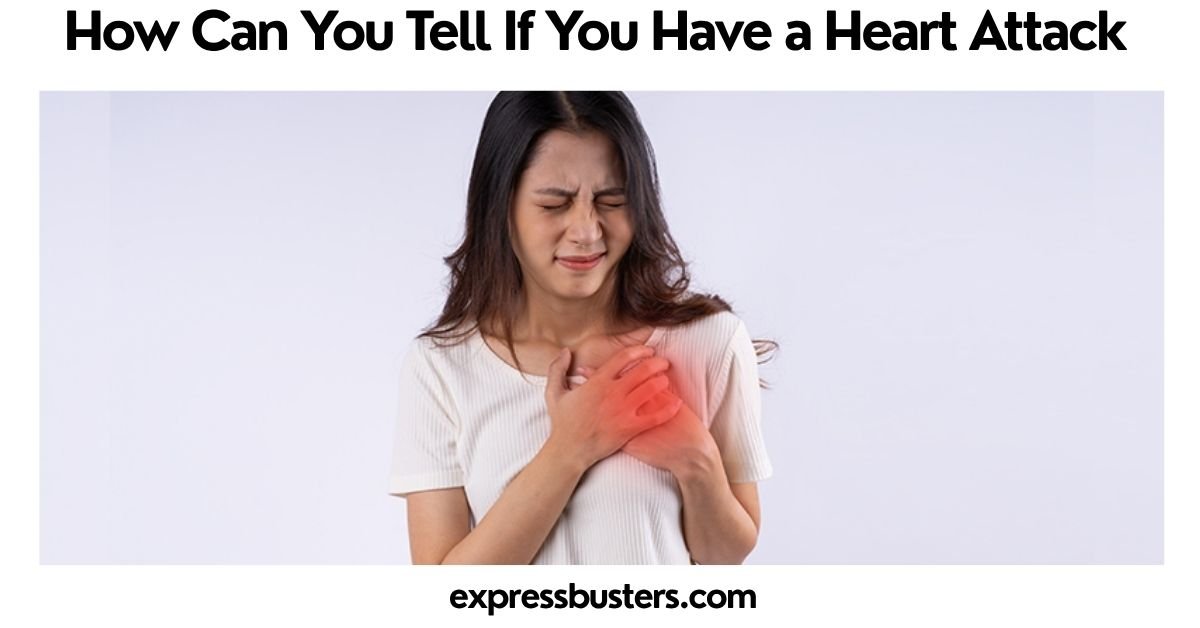
How Can You Tell If You Have a Heart Attack? Signs, Symptoms, Causes, and What to Do Right Away
A heart attack is one of the most serious medical emergencies a person can face. Every year, hundreds of thousands of people in the United States suffer from heart attacks, and many of them do not recognize the warning signs early enough. Some people expect a heart attack to feel sudden and dramatic, but that is not always true. In many cases, symptoms start slowly and can feel mild at first.
If you have ever wondered, “how can you tell if you have a heart attack,” this complete guide will help you understand the early symptoms, silent warning signs, risk factors, and the steps you should take immediately. Knowing the symptoms can save your life or the life of someone close to you.
This article uses simple language, updated medical information, and practical advice designed for people in the United States who want clear and reliable answers.
What Is a Heart Attack?
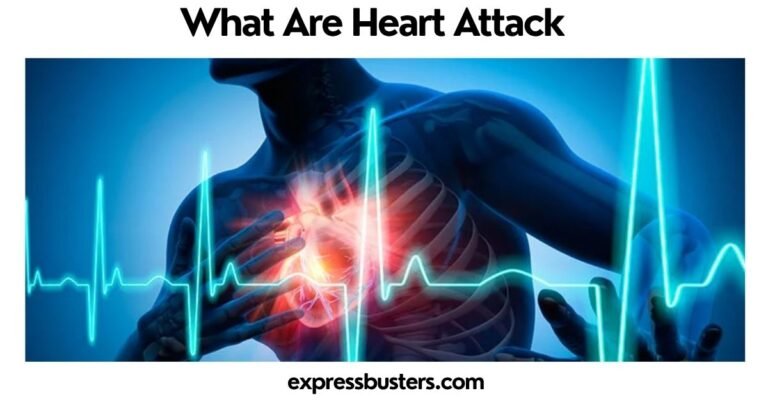
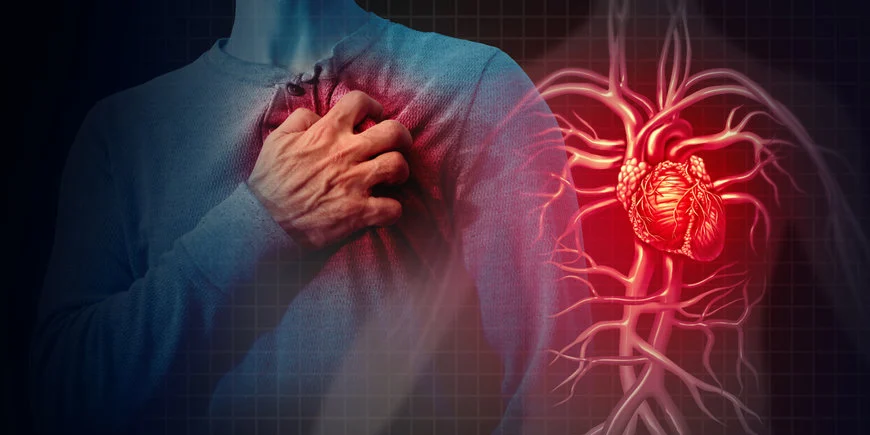
A heart attack happens when blood flow to the heart becomes blocked. The blockage usually comes from fatty deposits called plaque inside the arteries. When plaque breaks open, a blood clot can form and stop blood from reaching part of the heart muscle.
Without enough oxygen-rich blood, the heart muscle begins to die. The longer the blockage lasts, the more damage occurs.
The medical name for a heart attack is myocardial infarction.
Many people think heart attacks happen only to older adults, but they can happen at almost any age. Men and women can both have heart attacks, although symptoms can sometimes look different.
How Can You Tell If You Have a Heart Attack?
The most common way to tell if you are having a heart attack is by recognizing a group of symptoms that appear together. Some symptoms are sudden and severe, while others build slowly over hours or even days.
The most common heart attack symptoms include:
- Chest pain or pressure
- Pain spreading to the arm, neck, jaw, back, or shoulder
- Shortness of breath
- Sweating
- Nausea
- Dizziness
- Extreme tiredness
- Feeling weak or lightheaded
Symptoms may be different from one person to another. Some people experience intense chest pain, while others only feel discomfort or pressure.
You should never ignore unusual chest symptoms, especially if they happen together with breathing problems or sweating.
The Most Common Heart Attack Symptoms
Understanding the classic warning signs can help you answer the question, “how can you tell if you have a heart attack.”
Chest Pain or Chest Pressure
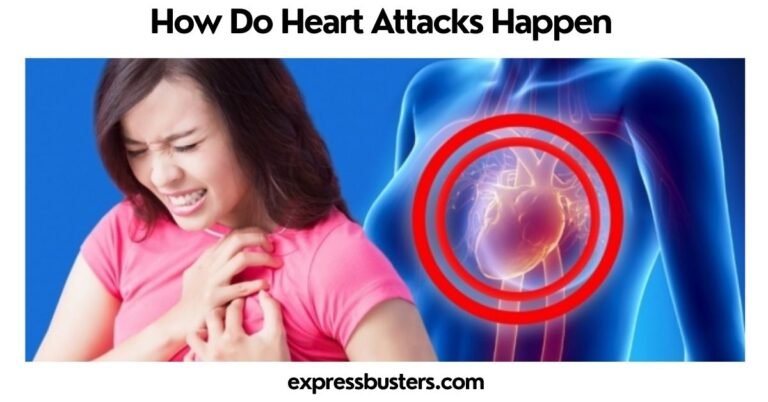
Chest discomfort is the most common symptom of a heart attack.
Also Read: How to Prevent Heart Attack: Complete Guide to Protect Your Heart Naturally
People often describe it as:
- Pressure
- Tightness
- Fullness
- Burning
- Squeezing
- Heavy weight on the chest
The pain usually happens in the center or left side of the chest. It may last for more than a few minutes or come and go.
Some people say it feels like an elephant sitting on their chest.
Not all chest pain means a heart attack, but heart attack pain should always be taken seriously.
Pain That Spreads to Other Areas
Heart attack pain often travels beyond the chest.
It may spread to:
- Left arm
- Right arm
- Both arms
- Jaw
- Neck
- Back
- Shoulders
- Upper stomach
Pain in the jaw or back can be especially common in women.
Sometimes the pain feels dull instead of sharp. It can feel like muscle soreness or pressure.
Shortness of Breath
Breathing problems can happen before or during a heart attack.
You may feel:
- Unable to catch your breath
- Out of breath while resting
- Short of breath during light activity
- Tightness in the chest while breathing
Some people have breathing trouble without major chest pain.
Sweating Without a Clear Reason
Sudden sweating is another major warning sign.
People often describe:
- Cold sweat
- Clammy skin
- Heavy sweating unrelated to heat or exercise
If you suddenly break into a sweat while also feeling chest discomfort or nausea, seek emergency help immediately.
Nausea and Stomach Symptoms
A heart attack can sometimes feel like a stomach problem.
Symptoms may include:
- Nausea
- Vomiting
- Indigestion
- Heartburn
- Upper stomach pain
This is one reason many people mistake heart attacks for acid reflux or food poisoning.
Extreme Fatigue
Feeling unusually tired can be an early warning sign, especially for women.
Some people notice:
- Severe exhaustion
- Weakness
- Trouble completing simple tasks
- Fatigue that lasts days before the attack
Sudden exhaustion without explanation should never be ignored when combined with other symptoms.
Dizziness or Lightheadedness
A heart attack can affect blood flow and blood pressure.
This may cause:
- Feeling faint
- Dizziness
- Confusion
- Sudden weakness
If dizziness occurs with chest pain or breathing problems, call emergency services immediately.
Silent Heart Attack Symptoms
One of the most dangerous situations is a silent heart attack.
A silent heart attack happens when symptoms are mild, unusual, or barely noticeable.
Some people do not realize they had a heart attack until weeks or months later during a medical exam.
Silent heart attack symptoms may include:
- Mild chest discomfort
- Unusual tiredness
- Shortness of breath
- Flu-like symptoms
- Back pain
- Jaw pain
- Mild nausea
People with diabetes are more likely to have silent heart attacks because nerve damage can reduce pain signals.
Heart Attack Symptoms in Women
Women often experience different symptoms than men.
Also Read: How to Stop a Heart Attack in 30 Seconds: What Really Works and What You Must Do Immediately
Because symptoms may not match the “classic” movie-style heart attack, women sometimes delay getting help.
Common symptoms in women include:
- Jaw pain
- Back pain
- Nausea
- Vomiting
- Fatigue
- Dizziness
- Shortness of breath
- Mild chest discomfort
Women are more likely to describe pressure, tightness, or burning rather than severe crushing chest pain.
Understanding these differences is important when asking, “how can you tell if you have a heart attack.”
Heart Attack Symptoms in Men
Men are more likely to experience:
- Strong chest pain
- Left arm pain
- Heavy chest pressure
- Sweating
However, men can also experience less typical symptoms.
No symptom should be ignored based on gender alone.
Heart Attack Symptoms by Age
Younger Adults
Heart attacks are becoming more common in younger adults due to:
- Obesity
- Smoking
- Stress
- Diabetes
- High blood pressure
Symptoms in younger adults may still include chest pain, but many ignore them because they think they are “too young” for a heart attack.
Older Adults
Older adults may experience:
- Confusion
- Weakness
- Shortness of breath
- Fainting
- Mild chest pain
Symptoms may be less obvious, making diagnosis harder.
What Does a Heart Attack Feel Like?
People describe heart attacks in many different ways.
Common descriptions include:
- “A heavy pressure on my chest”
- “Like someone squeezing my chest”
- “A burning feeling”
- “Sharp pain in my arm”
- “Extreme weakness”
- “I felt something was very wrong”
Some heart attacks begin suddenly, but many start slowly.
Pain may come and go before becoming more serious.
How Long Do Heart Attack Symptoms Last?
Heart attack symptoms usually last more than a few minutes.
Symptoms may:
- Stay constant
- Come and go
- Slowly worsen
If chest discomfort lasts longer than 5 minutes, do not wait to see if it improves.
Immediate medical attention is critical.
What Causes a Heart Attack?
Most heart attacks happen because of coronary artery disease.
This occurs when arteries become narrowed by plaque buildup.
A plaque rupture can create a blood clot that blocks blood flow.
Other causes include:
- Severe artery spasm
- Drug use
- Extreme stress
- Blood clotting disorders
- Rare artery tears
Major Heart Attack Risk Factors
Knowing your risk factors can help you understand your chances of developing heart disease.
High Blood Pressure
High blood pressure damages arteries over time.
High Cholesterol
Too much bad cholesterol increases plaque buildup.
Smoking
Smoking damages blood vessels and reduces oxygen in the blood.
Diabetes
Diabetes significantly raises heart attack risk.
Obesity
Extra body weight strains the heart.
Lack of Exercise
Physical inactivity increases heart disease risk.
Family History
Heart disease often runs in families.
Stress
Chronic stress can affect blood pressure and heart health.
Poor Diet
Diets high in processed foods, sugar, and unhealthy fats increase risk.
When Should You Call 911?
Call 911 immediately if you have:
- Chest pressure lasting more than 5 minutes
- Pain spreading to the arm, jaw, or back
- Sudden shortness of breath
- Sweating with chest discomfort
- Severe dizziness
- Fainting
Do not drive yourself unless absolutely necessary.
Emergency responders can begin treatment on the way to the hospital.
Fast treatment greatly improves survival chances.
What Should You Do During a Heart Attack?
If you think you are having a heart attack:
- Call 911 immediately
- Sit down and stay calm
- Unlock your door if possible
- Chew aspirin if recommended by emergency services and if you are not allergic
- Avoid physical activity
- Wait for medical help
Never ignore symptoms or try to “push through” them.
How Doctors Diagnose a Heart Attack
Doctors use several tests to confirm a heart attack.
Electrocardiogram (ECG or EKG)
This measures the heart’s electrical activity.
It helps doctors see damage or abnormal rhythms.
Blood Tests
Heart muscle damage releases proteins called troponins into the blood.
Echocardiogram
This ultrasound shows heart movement and damage.
Coronary Angiogram
Doctors inject dye into arteries to locate blockages.
Treatments for a Heart Attack
Treatment depends on how severe the blockage is and how quickly help arrives.
Medications
Doctors may use:
- Blood thinners
- Aspirin
- Nitroglycerin
- Beta blockers
- Cholesterol medicines
Angioplasty and Stent
A balloon opens the blocked artery, and a stent keeps it open.
Bypass Surgery
Surgeons create a new route around blocked arteries.
Recovery After a Heart Attack
Recovery can take weeks or months.
Most people need:
- Cardiac rehabilitation
- Lifestyle changes
- Medication
- Regular doctor visits
Many people return to normal life after recovery.
Lifestyle Changes That Reduce Future Heart Attack Risk
Eat a Heart-Healthy Diet
Focus on:
- Fruits
- Vegetables
- Whole grains
- Lean protein
- Healthy fats
Limit:
- Salt
- Sugar
- Fried foods
- Processed foods
Exercise Regularly
Aim for at least 150 minutes of moderate exercise weekly.
Walking is a great place to start.
Stop Smoking
Quitting smoking quickly improves heart health.
Control Stress
Stress management techniques include:
- Meditation
- Deep breathing
- Better sleep
- Exercise
- Counseling
Maintain Healthy Blood Pressure and Cholesterol
Regular medical checkups are important.
Can Anxiety Feel Like a Heart Attack?
Yes, anxiety and panic attacks can feel similar to heart attacks.
Panic attacks may cause:
- Chest tightness
- Fast heartbeat
- Sweating
- Dizziness
- Shortness of breath
However, it can be difficult to tell the difference without medical evaluation.
If you are unsure, seek emergency care.
It is safer to rule out a heart attack than ignore one.
Conditions Commonly Mistaken for a Heart Attack
Several conditions can look like heart attack symptoms.
These include:
- Acid reflux
- Panic attacks
- Muscle strain
- Gallbladder problems
- Lung conditions
- Costochondritis
Only a healthcare professional can properly diagnose the cause.
Why Fast Treatment Matters
Time is critical during a heart attack.
Doctors often say, “time is muscle.”
The faster blood flow returns to the heart, the more heart muscle can be saved.
Delayed treatment increases the risk of:
- Heart failure
- Permanent heart damage
- Dangerous rhythms
- Death
Can You Have a Heart Attack Without Chest Pain?
Yes.
Some people experience:
- Shortness of breath only
- Nausea
- Fatigue
- Jaw pain
- Back pain
This is more common in:
- Women
- Older adults
- People with diabetes
That is why recognizing all symptoms is important.
How Heart Attack Symptoms Differ From Cardiac Arrest
A heart attack and cardiac arrest are not the same thing.
Heart Attack
A blockage reduces blood flow to the heart.
The person is usually awake and breathing at first.
Cardiac Arrest
The heart suddenly stops beating properly.
The person becomes unconscious and stops breathing normally.
A heart attack can lead to cardiac arrest.
Can Stress Cause a Heart Attack?
Stress alone may not directly cause a heart attack, but it can increase risk.
Also Read: Can You Have a Heart Attack and Not Know It? Silent Heart Attack Signs, Causes, and Prevention
Stress can:
- Raise blood pressure
- Increase inflammation
- Trigger unhealthy habits
- Affect heart rhythm
Extreme emotional stress can sometimes trigger a serious heart condition called stress cardiomyopathy.
Preventing Heart Attacks Before They Happen
Prevention is one of the most powerful tools against heart disease.
Simple daily habits make a major difference.
Know Your Numbers
Monitor:
- Blood pressure
- Cholesterol
- Blood sugar
- Weight
Stay Active
Movement supports heart health.
Sleep Well
Poor sleep increases heart disease risk.
Avoid Tobacco
Smoking is one of the biggest preventable causes of heart disease.
Visit Your Doctor Regularly
Routine care helps catch problems early.
The Emotional Impact of a Heart Attack
Many survivors experience emotional challenges after a heart attack.
Common feelings include:
- Fear
- Anxiety
- Depression
- Stress
Emotional recovery is just as important as physical healing.
Support groups, counseling, and family support can help.
Important Facts Many People Do Not Know
Here are some lesser-known insights about heart attacks:
- Symptoms may begin days before the attack
- Women often have different symptoms than men
- Silent heart attacks are common
- Young adults can have heart attacks
- Many people delay calling 911 because they hope symptoms will pass
- Quick treatment greatly improves survival
Understanding these facts can save lives.
How Can You Tell If You Have a Heart Attack While Alone?
Being alone during a heart attack can feel frightening.
If symptoms begin while alone:
- Call 911 immediately
- Unlock your door
- Sit or lie down
- Stay calm
- Avoid driving
Some smart devices can also contact emergency services.
Why Some People Ignore Heart Attack Symptoms
People often delay treatment because they:
- Think symptoms are indigestion
- Feel embarrassed
- Fear hospitals
- Assume they are too young
- Hope symptoms will disappear
Unfortunately, delays can be deadly.
Trust your instincts if something feels seriously wrong.
Frequently Asked Questions About Heart Attacks
Can a heart attack last for days?
Some symptoms may appear gradually over several days, especially fatigue or mild chest discomfort. However, active heart attack symptoms usually become more serious with time.
Can you survive a heart attack without treatment?
Some people survive mild heart attacks without immediate treatment, but untreated heart attacks can cause permanent heart damage or sudden death.
Is every chest pain a heart attack?
No. Chest pain can have many causes, including acid reflux or muscle strain. However, chest pain should never be ignored until a doctor rules out serious problems.
What age do heart attacks usually happen?
Heart attacks are more common after age 45 in men and after age 55 in women, but they can happen much earlier.
Can women have heart attacks without chest pain?
Yes. Women are more likely to experience symptoms such as nausea, fatigue, jaw pain, or shortness of breath without severe chest pain.
Does high stress increase heart attack risk?
Yes. Long-term stress may increase blood pressure and inflammation, which can raise heart disease risk.
Can exercise trigger a heart attack?
Heavy exercise can sometimes trigger a heart attack in people with underlying heart disease, but regular exercise generally lowers heart attack risk.
Can dehydration cause a heart attack?
Dehydration alone usually does not cause a heart attack, but severe dehydration can strain the heart and worsen existing heart problems.
What happens if a heart attack goes untreated?
Untreated heart attacks can lead to permanent heart muscle damage, heart failure, dangerous rhythms, or death.
Can heart attack symptoms stop and come back?
Yes. Symptoms may come and go before becoming severe. This is one reason people sometimes delay seeking help.
Final Thoughts
If you are asking yourself, “how can you tell if you have a heart attack,” the most important thing to remember is that symptoms are not always dramatic. Chest pressure, shortness of breath, nausea, fatigue, jaw pain, and sweating can all be warning signs.
Heart attacks can happen suddenly or build slowly over time. Men and women may experience different symptoms, and some people have silent heart attacks with only mild discomfort.
Recognizing symptoms early and getting emergency medical help immediately can save your life. Never ignore unusual chest symptoms or sudden physical changes, especially if they happen together.
The best protection against heart attacks is prevention through healthy daily habits, regular medical care, and understanding your personal risk factors.
Knowing the warning signs today could help save a life tomorrow.