Is Cardiac Arrest a Heart Attack? Complete Guide to the Key Differences, Symptoms, Causes, and Survival
Many people ask the same important question: is cardiac arrest a heart attack? The short answer is no. A cardiac arrest and a heart attack are not the same medical emergency. However, they are closely connected, and both can become life-threatening within minutes.
Every year, thousands of Americans experience heart attacks and sudden cardiac arrest. Because the symptoms can overlap, people often confuse the two conditions. This confusion can delay emergency treatment and reduce survival chances.
Understanding the difference between a heart attack and cardiac arrest can save lives. When you know what signs to look for, what causes these conditions, and what actions to take, you can respond faster during an emergency.
In this complete guide, you will learn:
- Is cardiac arrest the same as a heart attack
- What is difference between a heart attack and cardiac arrest
- Why sudden cardiac arrest is not the same as a heart attack
- Symptoms, causes, and warning signs
- Emergency treatment options
- Survival rates and recovery
- Prevention tips for heart health
- Frequently asked questions many articles miss
This article is written in simple English and follows updated medical understanding so readers can easily understand these serious heart conditions.
Is Cardiac Arrest a Heart Attack?
No, cardiac arrest is not a heart attack.
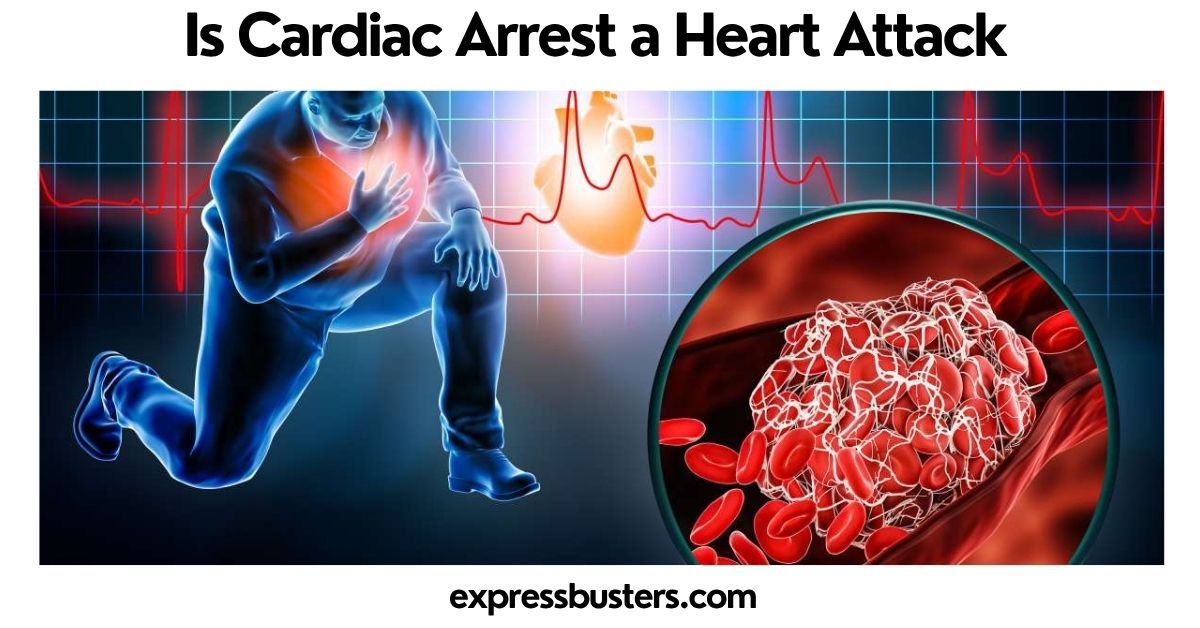
A heart attack happens when blood flow to the heart becomes blocked. The heart usually keeps beating during a heart attack, even though part of the heart muscle may become damaged.
Cardiac arrest happens when the heart suddenly stops beating properly. The heart can no longer pump blood to the brain, lungs, and other organs. A person quickly loses consciousness and stops breathing normally.
The biggest difference is this:
- A heart attack is a circulation problem
- Cardiac arrest is an electrical problem
Even though they are different conditions, a severe heart attack can sometimes trigger sudden cardiac arrest.
That is why people often ask, is a heart attack the same as cardiac arrest? The answer remains no, but the two conditions can happen together.
What Is a Heart Attack?
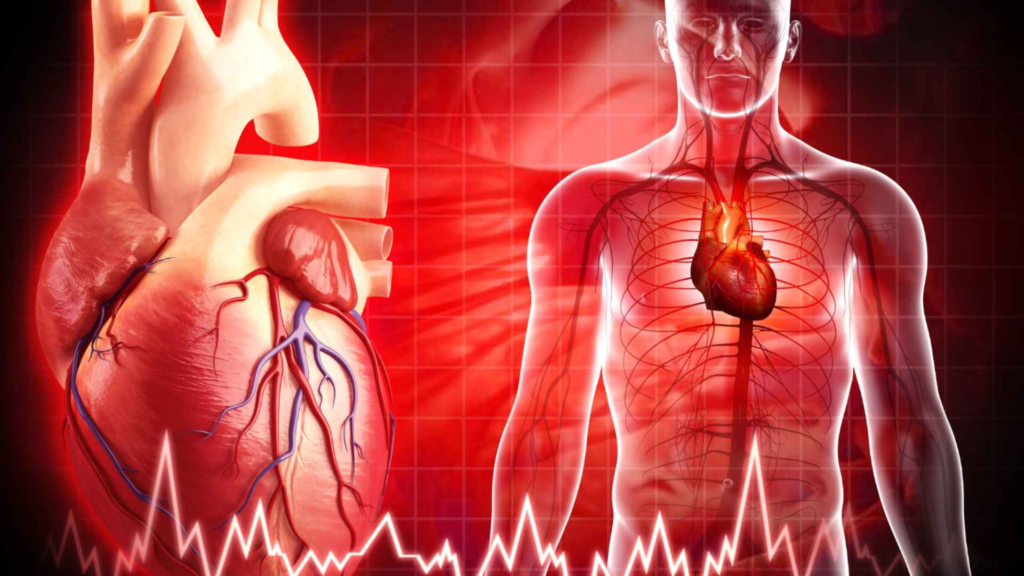
A heart attack, also called myocardial infarction, occurs when blood flow to part of the heart is blocked.
This blockage usually happens because fatty deposits called plaque build up inside the coronary arteries. When plaque breaks open, a blood clot may form and stop blood from reaching the heart muscle.
Without oxygen-rich blood, the affected part of the heart begins to die.
Heart attacks can range from mild to severe. Some people recover fully, while others may suffer permanent heart damage.
Common Causes of a Heart Attack
Several health conditions and lifestyle habits increase the risk of a heart attack.
Coronary Artery Disease
This is the most common cause. Cholesterol and fat narrow the arteries over time.
High Blood Pressure
High blood pressure forces the heart to work harder and damages blood vessels.
High Cholesterol
Too much bad cholesterol increases plaque buildup in arteries.
Smoking
Smoking damages blood vessels and reduces oxygen in the blood.
Diabetes
High blood sugar can damage arteries and increase heart disease risk.
Obesity
Extra body weight strains the heart and increases other risk factors.
Lack of Physical Activity
Exercise helps maintain healthy blood flow and heart function.
Stress
Long-term stress may contribute to heart disease and unhealthy habits.
Symptoms of a Heart Attack
Heart attack symptoms can vary between men and women.
Common Symptoms
- Chest pain or pressure
- Tightness in the chest
- Pain spreading to the arm, jaw, neck, or back
- Shortness of breath
- Nausea or vomiting
- Sweating
- Dizziness
- Fatigue
Some heart attacks happen suddenly, while others start slowly with mild discomfort.
Women may experience less obvious symptoms such as fatigue, nausea, and back pain.
Also Read: How Long Do Heart Attacks Last? Symptoms, Warning Signs, Recovery, and What You Need to Know
What Is Cardiac Arrest?
Cardiac arrest occurs when the heart suddenly stops pumping blood.
The heart depends on electrical signals to beat properly. During cardiac arrest, the electrical system malfunctions. The heart may beat dangerously fast, irregularly, or stop completely.
When this happens, blood flow to the brain stops almost immediately.
A person experiencing cardiac arrest becomes unconscious within seconds.
Without immediate treatment, death can occur within minutes.
Is Cardiac Arrest the Same as a Heart Attack?
No. Is cardiac arrest the same as a heart attack is one of the most searched heart-related questions online.
The confusion happens because both emergencies involve the heart and can happen suddenly.
Here is the simplest explanation:
- Heart attack: blood flow problem
- Cardiac arrest: electrical system problem
During a heart attack, the heart often continues beating.
During cardiac arrest, the heart suddenly stops pumping effectively.
A heart attack may lead to cardiac arrest if the damaged heart muscle causes dangerous electrical disturbances.
Causes of Cardiac Arrest
Cardiac arrest has several possible causes.
Abnormal Heart Rhythms
Most cases happen because of arrhythmias, especially ventricular fibrillation.
Previous Heart Attack
Scar tissue from an earlier heart attack can interfere with electrical signals.
Cardiomyopathy
An enlarged or weakened heart muscle increases risk.
Heart Failure
A weak heart may develop dangerous rhythm problems.
Congenital Heart Conditions
Some people are born with structural heart defects.
Drug Abuse
Illegal drugs such as cocaine can trigger sudden cardiac arrest.
Severe Blood Loss or Trauma
Major injuries can affect heart function.
Electrolyte Imbalances
Low potassium or magnesium levels may disrupt heart rhythm.
Symptoms of Cardiac Arrest
Cardiac arrest symptoms are usually immediate and severe.
Common Symptoms
- Sudden collapse
- Loss of consciousness
- No pulse
- No normal breathing
- Gasping for air
Some people experience warning signs before cardiac arrest.
Warning Signs Before Cardiac Arrest
- Chest pain
- Shortness of breath
- Heart palpitations
- Dizziness
- Weakness
However, many people experience no warning signs at all.
Sudden Cardiac Arrest Is the Same as a Heart Attack?
No. Sudden cardiac arrest is the same as a heart attack is a common misunderstanding.
Sudden cardiac arrest happens when the heart’s electrical system suddenly fails.
A heart attack happens because blood flow to the heart muscle is blocked.
Although a heart attack can trigger sudden cardiac arrest, they are still different conditions.
Cardiac arrest requires immediate CPR and defibrillation.
Heart attacks require restoration of blood flow.
Understanding this difference is important because emergency treatment is different.
What Is Difference Between a Heart Attack and Cardiac Arrest?
Many readers search online for what is difference between a heart attack and cardiac arrest.
Here is a clear comparison.
Heart Attack
- Blood flow to the heart is blocked
- Heart usually keeps beating
- Person may stay awake and conscious
- Symptoms can develop slowly
- Chest pain is common
- Emergency medical treatment is needed quickly
Cardiac Arrest
- Heart suddenly stops pumping blood
- Electrical system fails
- Person becomes unconscious quickly
- Breathing stops or becomes abnormal
- Immediate CPR is necessary
- Death can happen within minutes without treatment
The two conditions are connected but not identical.
Is a Heart Attack the Same as Cardiac Arrest?
No, a heart attack is not the same as cardiac arrest.
This question is important because using the wrong term may create confusion during emergencies.
A person having a heart attack may still be awake and talking.
A person in cardiac arrest is usually unconscious and not responding.
Emergency responders treat these conditions differently.
Heart Attack Treatment Focus
- Restore blood flow
- Protect heart muscle
- Prevent complications
Cardiac Arrest Treatment Focus
- Restart the heart
- Restore circulation
- Prevent brain damage
How a Heart Attack Can Lead to Cardiac Arrest
Although they are different, heart attacks and cardiac arrest can happen together.
When blood flow is blocked during a heart attack, the heart muscle becomes damaged.
This damage may affect the heart’s electrical system and trigger dangerous rhythms such as ventricular fibrillation.
When the rhythm becomes chaotic, the heart can no longer pump blood properly.
This leads to cardiac arrest.
That is why fast treatment for heart attacks is extremely important.
Which Condition Is More Dangerous?
Both conditions are serious, but cardiac arrest is usually more immediately deadly.
A heart attack may develop over several hours.
Cardiac arrest causes sudden collapse and can become fatal within minutes.
Survival depends heavily on how quickly CPR and defibrillation begin.
Every minute without CPR or defibrillation lowers survival chances significantly.
What To Do During a Heart Attack
Quick action can save heart muscle and improve survival.
Call 911 Immediately
Do not ignore chest pain or other warning signs.
Chew Aspirin If Recommended
Aspirin may help reduce clotting.
Stay Calm and Rest
Avoid physical activity.
Unlock the Door
Make it easier for emergency responders to enter.
Follow Emergency Instructions
Emergency dispatchers may provide guidance before help arrives.
Never attempt to drive yourself if symptoms are severe.
What To Do During Cardiac Arrest
Cardiac arrest is a medical emergency that requires immediate action.
Call 911
Emergency services should be contacted immediately.
Start CPR
Push hard and fast in the center of the chest.
Use an AED if Available
An automated external defibrillator can restore normal heart rhythm.
Continue CPR Until Help Arrives
Continuous chest compressions help keep blood flowing to the brain.
Fast action dramatically improves survival rates.
Understanding CPR and Why It Matters
CPR stands for cardiopulmonary resuscitation.
It keeps oxygen-rich blood moving during cardiac arrest.
Also Read: How Do You Know If Your Have a Heart Attack? The Complete Guide
Even basic hands-only CPR can double or triple survival chances.
Hands-Only CPR Steps
- Call 911
- Place hands in the center of the chest
- Push hard and fast
- Continue until medical help arrives
Many public places now provide AED devices because quick defibrillation saves lives.
What Is an AED?
An AED is an automated external defibrillator.
This portable device checks the heart rhythm and delivers an electric shock if needed.
AEDs are designed for public use and provide voice instructions.
They are commonly found in:
- Airports
- Schools
- Gyms
- Shopping centers
- Office buildings
- Sports arenas
Using an AED quickly during sudden cardiac arrest greatly increases survival chances.
Risk Factors Shared by Both Conditions
Heart attacks and cardiac arrest share several risk factors.
Smoking
Smoking damages blood vessels and heart tissue.
High Blood Pressure
High blood pressure strains the heart.
Diabetes
Diabetes increases damage to blood vessels.
Obesity
Excess weight increases heart stress.
High Cholesterol
High cholesterol contributes to blocked arteries.
Lack of Exercise
Physical inactivity weakens cardiovascular health.
Family History
Genetics can increase heart disease risk.
Age
Risk increases as people grow older.
Can Young People Experience Cardiac Arrest?
Yes. Although cardiac arrest is more common in older adults, younger people can also experience it.
Young athletes sometimes suffer sudden cardiac arrest because of undiagnosed heart conditions.
Common causes in younger individuals include:
- Inherited heart rhythm disorders
- Enlarged heart muscle
- Congenital heart defects
- Drug use
- Severe trauma
This is why sports physicals and heart screenings are important.
Can Young People Have Heart Attacks?
Yes. Heart attacks are becoming more common in younger adults.
Poor diet, obesity, smoking, stress, diabetes, and lack of exercise all contribute to rising heart disease risk.
Some young adults ignore warning signs because they believe heart disease only affects older people.
Early prevention is important at every age.
How Doctors Diagnose a Heart Attack
Doctors use several tests to diagnose heart attacks.
Electrocardiogram (ECG)
Measures electrical activity in the heart.
Blood Tests
Checks for proteins released during heart muscle damage.
Coronary Angiography
Shows blocked arteries.
Echocardiogram
Uses ultrasound images to examine heart function.
How Doctors Diagnose Cardiac Arrest
Cardiac arrest is usually diagnosed during the emergency itself.
Doctors may later perform tests to determine the cause.
Heart Rhythm Monitoring
Detects abnormal electrical activity.
Imaging Tests
Checks heart structure and damage.
Blood Tests
Looks for underlying problems.
Electrophysiology Testing
Studies electrical signals inside the heart.
Treatments for Heart Attack
Treatment depends on how severe the blockage is.
Medications
Doctors may use:
- Blood thinners
- Aspirin
- Clot-busting drugs
- Cholesterol medicines
Angioplasty and Stents
Doctors open blocked arteries using balloons and metal stents.
Coronary Artery Bypass Surgery
Surgery creates new pathways around blocked arteries.
Lifestyle Changes
Patients are encouraged to improve diet, exercise, and stress management.
Treatments for Cardiac Arrest
Cardiac arrest treatment focuses on restoring normal heart rhythm.
CPR
Keeps blood circulating.
Defibrillation
Electric shocks may restart the heart.
Medications
Doctors may use drugs to stabilize heart rhythm.
Implantable Cardioverter Defibrillator (ICD)
Some patients receive devices that monitor and correct dangerous rhythms.
Therapeutic Hypothermia
Cooling the body may help protect the brain after cardiac arrest.
Recovery After a Heart Attack
Recovery varies depending on heart damage and overall health.
Many patients return to normal activities after rehabilitation.
Important Recovery Steps
- Taking medications correctly
- Attending cardiac rehabilitation
- Eating healthy foods
- Exercising safely
- Managing stress
- Quitting smoking
Emotional recovery is also important. Anxiety and depression are common after heart emergencies.
Recovery After Cardiac Arrest
Recovery after cardiac arrest can be more difficult.
Because the brain may lose oxygen during arrest, some survivors experience memory or neurological problems.
Long-term recovery often includes:
- Physical therapy
- Heart monitoring
- Medication management
- Lifestyle changes
- Emotional support
Some survivors fully recover, while others need ongoing care.
Survival Rates for Cardiac Arrest
Survival depends on how quickly treatment begins.
Immediate CPR and defibrillation dramatically improve outcomes.
Public awareness campaigns continue encouraging CPR training because bystander action saves lives.
Communities with widespread AED access often report better survival rates.
Prevention Tips for Heart Attack and Cardiac Arrest
Many heart emergencies can be prevented through healthy habits.
Eat a Heart-Healthy Diet
Focus on:
- Fruits
- Vegetables
- Whole grains
- Lean proteins
- Healthy fats
Limit processed foods, excess sugar, and trans fats.
Exercise Regularly
Aim for regular physical activity throughout the week.
Maintain Healthy Weight
Reducing excess weight lowers heart strain.
Stop Smoking
Quitting smoking improves heart health quickly.
Manage Blood Pressure
Regular checkups help detect problems early.
Control Diabetes
Blood sugar management protects blood vessels.
Reduce Stress
Chronic stress affects heart health.
Sleep Well
Poor sleep may increase cardiovascular risk.
Why Public Awareness Matters
Many people still confuse cardiac arrest and heart attacks.
This misunderstanding can delay emergency action.
For example, someone witnessing cardiac arrest may wait too long before starting CPR because they think the person is simply having a heart attack.
Education improves emergency response and survival.
Learning CPR, recognizing symptoms, and understanding warning signs help communities respond more effectively.
Important Warning Signs Never To Ignore
Seek emergency help immediately if someone experiences:
- Chest pain
- Sudden collapse
- Difficulty breathing
- Severe dizziness
- Loss of consciousness
- Rapid or irregular heartbeat
- Pain spreading to the jaw or arm
Quick action can mean the difference between life and death.
Common Myths About Cardiac Arrest and Heart Attack
Myth 1: Cardiac Arrest and Heart Attack Are the Same
False. They are different medical emergencies.
Myth 2: Heart Problems Only Affect Older Adults
False. Younger people can also experience heart emergencies.
Myth 3: Chest Pain Always Happens During a Heart Attack
False. Some people experience mild or unusual symptoms.
Myth 4: CPR Always Restarts the Heart
False. CPR helps keep blood flowing until advanced care arrives.
Myth 5: Healthy People Cannot Experience Cardiac Arrest
False. Some inherited conditions can affect healthy individuals.
The Emotional Impact on Families
Heart emergencies affect more than physical health.
Families often experience fear, anxiety, and emotional stress.
Survivors may worry about future heart problems.
Support groups, counseling, and rehabilitation programs can help patients and families cope emotionally after these events.
The Future of Heart Emergency Care
Medical technology continues improving outcomes.
Researchers are studying:
- Better early detection systems
- Wearable heart monitoring devices
- Improved emergency response systems
- Advanced CPR methods
- New medications and procedures
Artificial intelligence and remote monitoring may also help identify heart risks earlier in the future.
Final Thoughts
So, is cardiac arrest a heart attack?
No. Cardiac arrest and heart attack are different conditions, even though they both involve the heart and may happen together.
A heart attack occurs when blood flow to the heart is blocked.
Cardiac arrest occurs when the heart suddenly stops pumping because of an electrical problem.
Understanding the difference between these emergencies can save lives.
Recognizing symptoms quickly, calling 911, starting CPR, and seeking immediate medical care are critical steps.
Heart disease remains one of the leading causes of death in the United States, but education, prevention, and fast treatment continue improving survival rates.
Learning about these conditions today may help protect you, your family, or someone nearby in the future.
Frequently Asked Questions
Can a person survive cardiac arrest?
Yes. Survival is possible if CPR and defibrillation begin quickly. Fast emergency response greatly improves survival chances.
Can a heart attack happen without chest pain?
Yes. Some people experience nausea, fatigue, dizziness, or shortness of breath instead of severe chest pain.
Is sudden cardiac arrest always fatal?
No. Immediate CPR and AED use can save lives.
Can stress cause cardiac arrest?
Extreme stress may contribute to dangerous heart rhythms in some people, especially those with existing heart conditions.
How long does cardiac arrest last before brain damage occurs?
Brain damage can begin within a few minutes without oxygen.
Does every heart attack lead to cardiac arrest?
No. Most heart attacks do not cause cardiac arrest.
Who is at highest risk for cardiac arrest?
People with heart disease, previous heart attacks, heart failure, or dangerous arrhythmias face higher risk.
Can exercise prevent heart attacks?
Regular exercise improves cardiovascular health and lowers risk factors.
Are women’s heart attack symptoms different from men’s?
Yes. Women may experience fatigue, nausea, jaw pain, or back pain instead of classic chest pain.
What should I do if someone collapses suddenly?
Call 911 immediately, start CPR, and use an AED if available.
Can children experience cardiac arrest?
Yes. Although rare, children can experience cardiac arrest due to heart conditions, trauma, or other medical issues.
Is it safe to use an AED without medical training?
Yes. AED devices provide simple voice instructions and are designed for public use.
How can I reduce my risk of heart disease?
Eat healthy foods, exercise regularly, avoid smoking, manage stress, and attend regular medical checkups.
Why do athletes sometimes experience sudden cardiac arrest?
Some athletes have undiagnosed inherited heart conditions that affect heart rhythm.
Can lack of sleep affect heart health?
Yes. Poor sleep may increase blood pressure, stress hormones, and cardiovascular risk.
Conclusion
Understanding whether cardiac arrest is a heart attack is more than just a medical question. It is life-saving knowledge.
A heart attack affects blood flow.
Cardiac arrest affects the heart’s electrical system.
Both conditions require immediate medical attention, but the treatments are different.
Knowing the symptoms, causes, and emergency actions can help save lives.
Education, healthy lifestyle choices, CPR training, and early medical care all play major roles in protecting heart health.
The more people understand these conditions, the more lives can be saved.